What are the common faults of clutches?
1. Clutch slipping
2. Abnormal noise occurs in the clutch
3. Clutch shaking
4. The clutch pedal is heavy
Clutch slipping
Phenomenon: When the car starts, the clutch pedal needs to be raised very high to barely start; during driving, if the accelerator pedal is depressed, the speed of the car cannot be effectively increased or increased very little; there is a burning smell in the car. These are all symptoms of clutch slipping.
Causes and solutions:
A. The clutch pedal has insufficient free travel.
This can be improved by adjusting the length of the cable or the length of the clutch push rod.
B. The clutch plate is stained with oil.
The clutch plate should avoid oil and should also be paid attention to during installation. If there is oil stain, it needs to be cleaned and solved. If there is oil leakage, the oil leakage fault should be solved at the same time.
C. Clutch disc ablation
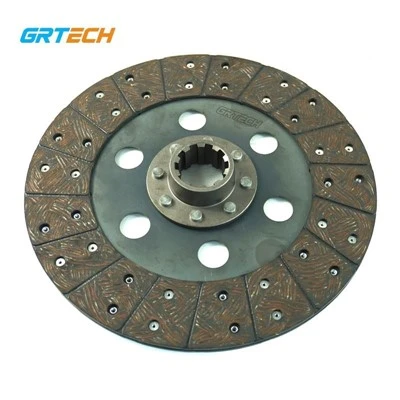
If the clutch plate becomes thin after long-term use or irregular use, it needs to be replaced.
D. The aforementioned drive train overload
Clutch abnormal noise
Phenomenon: Abnormal noise occurs when the clutch is engaged, disengaged or when the vehicle speed changes. For example, the clutch will make a "swishing" sound when it is first engaged, and a "clack, clack" sound when it is engaged, disengaged or the vehicle speed changes.
Causes and solutions:
A. The clutch pedal has insufficient free travel.
This can be improved by adjusting the length of the cable or the length of the clutch push rod.
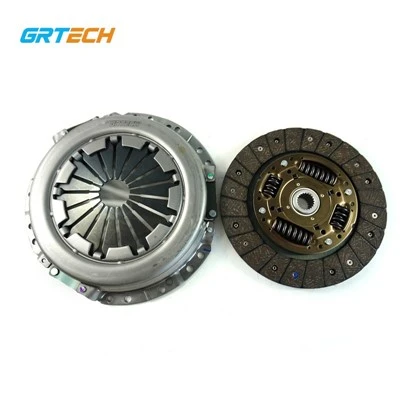
B. The shock absorber spring on the clutch plate is broken
Torsional vibration noise will occur, and the driven plate should be repaired or replaced.
C. The release bearing is short of oil or damaged
There will be a "squeaking" sound. At this time, the release bearing should be filled with oil or the release bearing should be replaced.
D. The pressure plate diaphragm spring is not at the same horizontal position
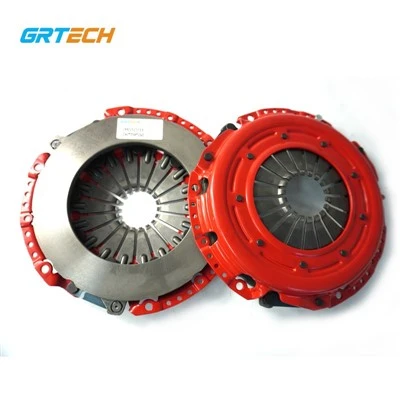
If the diaphragm springs of the pressure plate are not at the same level, it is easy for the shock absorbing spring of the clutch plate to break or the clutch plate itself to be damaged. At this time, you should check whether the diaphragm spring is corrected or replaced at the same horizontal position.
E. The clutch plate is too worn
Excessive wear of the clutch plate will cause the rivets on it to rub against the flywheel or pressure plate, causing abnormal noise. It should be replaced.
F. Abnormal noise from clutch pedal
If it has not been used for a long time or the pedal position is rusty, it will produce abnormal noise. We can just perform slip lubrication.