Clutch shuddering phenomenon
Phenomenon: When the clutch is gently engaged according to normal operation, the car does not accelerate gradually and smoothly. Instead, it starts intermittently, even causing the car to vibrate, until the clutch is fully engaged.
Causes and solutions:
A. The pressure plate diaphragm springs are not at the same horizontal position
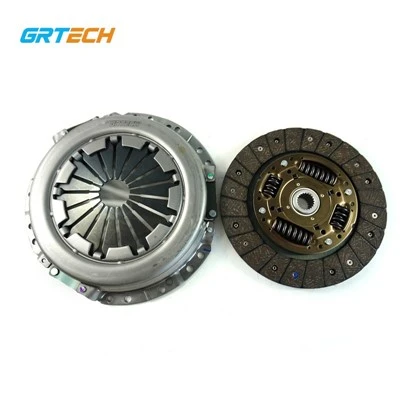
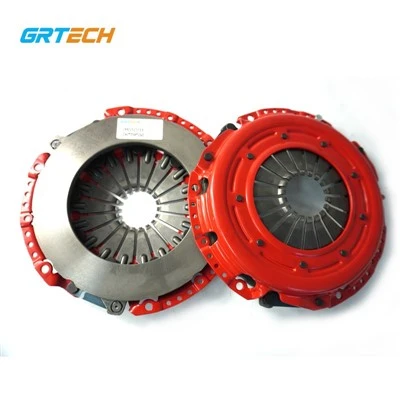
When the diaphragm springs are not at the same horizontal position, the clutch pressing time will be inconsistent, the pressure plate will be unevenly stressed, and the pressure plate will even be skewed. This causes poor contact between the main and driven plates, causing clutch vibration. At this time it should be corrected or replaced.
B. Clutch disc warping and deformation
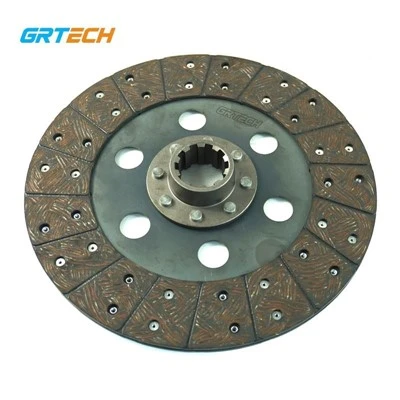
During the clutch engagement process, the clutch plates cannot contact regularly and the pressure cannot increase smoothly. The clutch plate should be replaced at this time.
C. The installation positions are not at the same level
When the engine is installed loosely or the center line of the transmission shaft and the engine crankshaft are not in line, clutch shaking will occur. At this time, the engine should be tightened or parts should be replaced.
Clutch pedal is heavy
For a clutch equipped with a pneumatic booster or a hydro-pneumatic booster, if the pedal is heavy, it means that the power assist system is not working properly.
Causes and solutions:
Air leakage in the piping system, wear of the cylinder piston seal, loose sealing of the exhaust valve, etc. will all cause poor or no assistance. At this time, we can find out the cause, solve the problem and replace it.