All you need to know about car clutches is here
1. Where is the clutch?
It is between the engine and the transmission, fastened to the flywheel plate through screws, and the clutch pressure plate presses the clutch plate.
2. What parts does the clutch consist of?
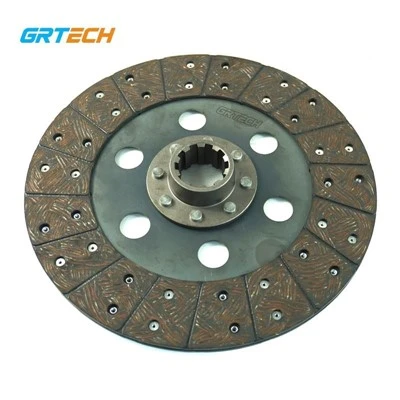
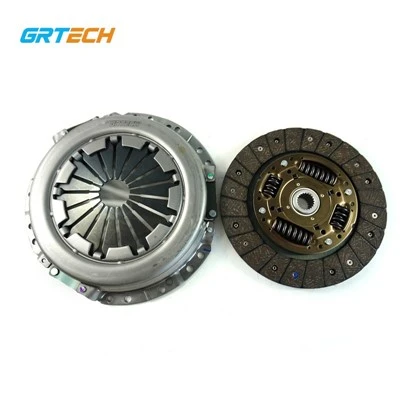
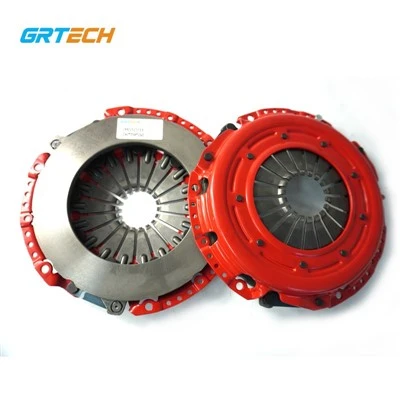
The picture below takes Santana, which has a large number of copies in my country, as an example. A complete clutch consists of four major parts: the active part, the driven part, the pressing part, and the control structure. I will further describe the working principles of the components later. Active part: flywheel, pressure plate
Driven part: clutch plate
Compression part: compression spring
Controlling mechanism: clutch pedal, push rod, return spring, clutch master cylinder, clutch slave cylinder, release fork, release bearing, etc.
3. What is the function of clutch?
It plays three major roles: ensuring the car starts smoothly, achieving smooth shifting and preventing overload of the transmission system.
The first two are easy to understand. As for the overload of the transmission system, it is commonly referred to as overweight. When the load of the car exceeds the load it can bear, the clutch will slip and the power cannot be output, which plays a protective role.
4. How does the clutch work?
When the clutch pedal is depressed, the master cylinder push rod pushes the master cylinder (clutch master cylinder) to operate, and the oil pressure from the master cylinder is applied to the working cylinder (clutch slave cylinder). The push rod of the sub-pump then pushes the shift fork, and the shift fork pushes the release bearing, and the release bearing presses the diaphragm spring of the pressure plate. The gap between the pressure plate and the flywheel is enlarged, thereby achieving separation and cutting off the transmission of power.
When we release the clutch pedal, because there is no force applied to the clutch master cylinder, the clutch master cylinder cannot establish enough oil pressure and the release bearing can no longer depress the diaphragm spring on the pressure plate. At this time, the gap between the clutch pressure plate and the flywheel becomes smaller, the clutch plate is clamped, and the power is transmitted to the input shaft of the transmission to realize power transmission.