Principle of operation of the clutch
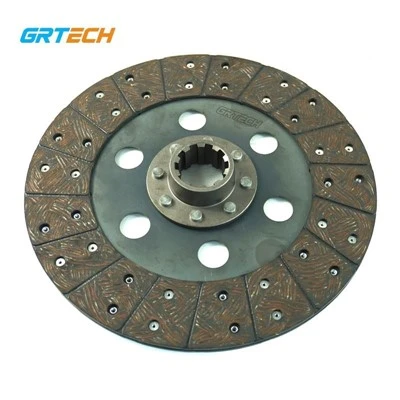
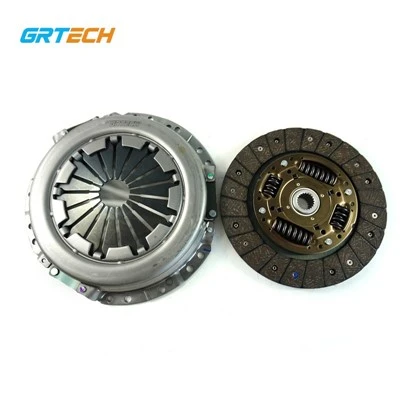
The structure and operating principle of a simple friction clutch are shown in Figure 2-1. The engine flywheel is the active part of the clutch, and the driven disc with friction discs and the hub of the driven disc are connected to the first shaft of the transmission (clutch driven shaft) by means of a sliding spline. A compression spring presses the disc against the end face of the flywheel. The engine torque is transmitted to the disc by the friction between the flywheel and the contact surface of the disc, and then to the drive wheels via the first shaft of the transmission and a series of components in the driveline. The greater the compression force of the pressure spring, the greater the torque that the clutch can transmit.
Since the car in the form of the process needs to maintain the power transmission often, and interrupt the transmission instruction temporary needs, so the active part of the car clutch and the slave part should always be in the state of engagement. Friction between the spring as a pressure device is to adapt to this requirement. Want to make the clutch separation, as long as the clutch pedal in the manipulation mechanism, set in the slave disc hub ring groove fork will be toggle the slave disc, to overcome the pressure of the pressure spring to move, and the separation of the flywheel, the friction between the friction between the disappearance of the friction, thus interrupting the transmission of power.