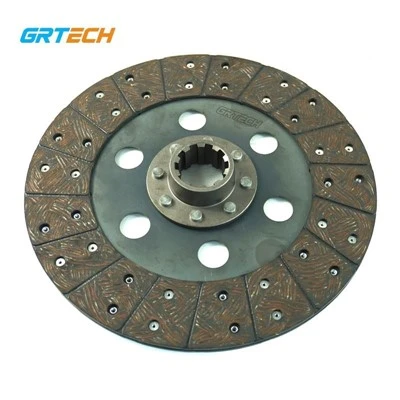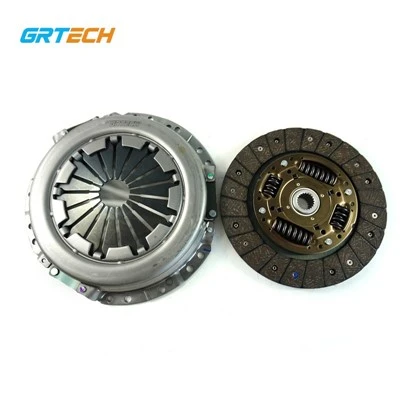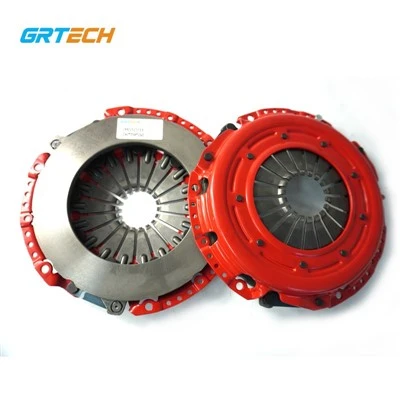
Daily Maintenance Key Points for Copper-Based Clutch Plates
Regularly inspect the friction surface and wear conditionInspect the friction plate in a timely manner when the vehicle has traveled 50,000-80,000 km (can be shortened to 30,000-50,000 km for heavy-duty commercial vehicles), or when symptoms such as weak starting, abnormal clutch noise, or gear shifting jamming occur:
Replace the friction plate immediately if the thickness of the friction layer is less than 2 mm (or lower than the vehicle manufacturer's original standard);
Check the friction surface for sintered spots, cracks, chipping or warping, and inspect the fit clearance between the splined hole and the gearbox input shaft. Replace the clutch plate assembly in a timely manner if looseness or poor engagement is found.
Inspect the condition of mating components in the clutch systemThe service life of copper-based clutch plates is closely related to the flywheel, pressure plate and release bearing, which shall be inspected synchronously during maintenance:
Check if the surfaces of the flywheel and pressure plate are flat, free of ablation and grooves. Perform surface grinding or direct replacement if the surface roughness exceeds the standard;
Check if the release bearing is stuck or makes abnormal noise, and verify if the free travel of the clutch pedal meets the manufacturer's original requirements (generally 3-5 cm). Adjust the clearance in a timely manner if it is too large or too small to prevent accelerated wear of the friction plate caused by incomplete disengagement and insecure engagement.
Strictly control oil contamination and impurities, and conduct basic protectionCopper-based materials have better oil resistance than paper-based materials, but the friction surface must still be protected from heavy oil contamination and sediment adhesion:
Regularly inspect the engine rear crankshaft oil seal and gearbox input shaft oil seal, and replace them immediately if oil leakage is found to prevent slipping caused by oil dripping on the friction surface;
Clean iron filings and sediment on the surfaces of the friction plate, flywheel and pressure plate during assembly, and wipe with a special cleaner to avoid abrasive wear of the friction pair caused by impurity ingress.
Ensure proper lubrication and fastening to guarantee system linkageRegularly apply high-temperature grease to moving parts such as the clutch release fork and fork shaft to avoid clutch operation failure due to jamming;
Inspect the elastic force of the clutch pressure plate springs. Replace the pressure plate assembly if uneven elasticity or fatigue relaxation is found to prevent clutch slipping caused by insufficient pressing force.