Correct Usage and Maintenance Methods of Copper-based Clutch Plates
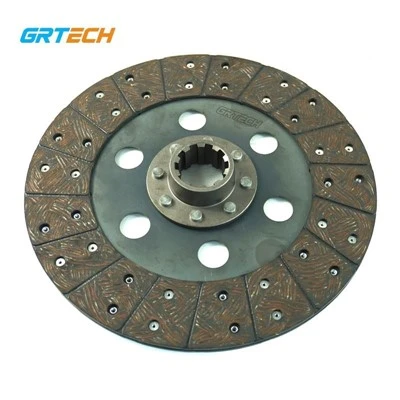
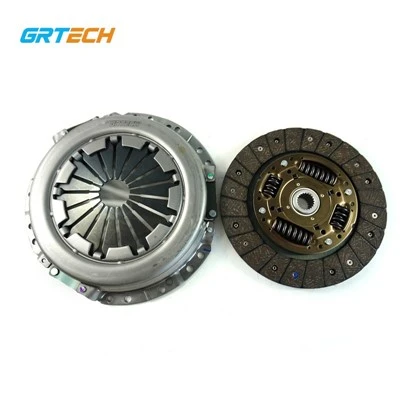
Copper-based clutch plates feature high strength, high load-bearing torque, high temperature and oil contamination resistance as their core attributes, with excellent wear resistance, making them suitable for heavy-load and high-frequency working conditions. However, their engagement smoothness is slightly inferior to that of paper-based clutch plates. Their usage and maintenance shall be carried out in combination with the material characteristics of metal sintering and the advantages of heavy-load adaptation. The specific operation specifications are as follows:
I. Correct Usage Specifications
Adapt to heavy-load working conditions and avoid improper light-load operations
Designed for heavy-duty working conditions, copper-based clutch plates are suitable for heavy-duty trucks, engineering vehicles, commercial passenger cars and high-performance vehicles. They can withstand loads such as long-time full-load climbing, frequent starting and stopping, and high-torque output, and there is no need to deliberately avoid normal heavy-load operations. Nevertheless, during light-load use, avoid sudden release of the clutch and rough gear shifting without reason to prevent meshing abnormal noise and component damage caused by hard impact on the metal friction surface.
Standardize clutch engagement operations to reduce hard friction loss
When shifting gears, fully depress the clutch pedal to ensure complete separation of the clutch plate from the flywheel and pressure plate, avoiding abrasive wear on the metal surface caused by the semi-engaged state during gear shifting. After gear engagement, release the pedal steadily to adapt to its relatively "stiff" engagement characteristic, prevent impact on the transmission system caused by sudden pedal release, and at the same time, strictly prohibit coasting with the clutch half-depressed to avoid high-temperature annealing and friction coefficient reduction of the friction surface due to continuous dry friction.
Avoid operation under ultra-limit working conditions
Despite their strong load-bearing capacity, avoid ultra-limit operations such as long-time gear holding with half clutch and heavy-load starting in over drive gear to prevent sintering and warping deformation of the clutch plate caused by excessive instantaneous torque and high-temperature overheating, and meanwhile avoid ablation and grooving on the surfaces of the flywheel and pressure plate.