Material Composition
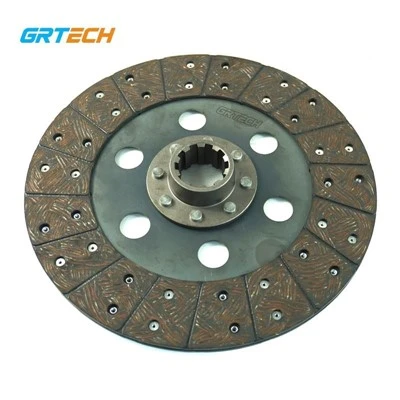
The core material of the composite yarn clutch friction plate is composite yarn friction material, which contains thread-like structures inside. The overall material properties of this material are similar to those of asbestos-free friction materials. Its unique fibrous internal structure is a key feature that distinguishes it from other types of clutch friction plates such as semi-copper and asbestos-free ones, and it also directly affects its subsequent service performance.
Core Performance Characteristics
| Characteristics | Specific Description |
|---|---|
| Advantages | It has good protection for the vehicle's flywheel and pressure plate, and is not easy to cause wear of these two types of key components; the price is relatively affordable. As a basic type of friction plate commonly used for original equipment installation, it can reduce the maintenance and replacement cost of the vehicle. |
| Disadvantages | It has weak heat resistance and structural stability, and is easy to crack after being burned at high temperatures. The residue after cracking is similar to charcoal; if the residue gets stuck inside the pressure plate, it may cause the clutch to fail to disengage, affecting the normal driving of the vehicle. |
Applicable Scenarios
This type of friction plate is more suitable for vehicles driving in plain areas with a small load of goods. In such usage scenarios, the working intensity of the vehicle's clutch is relatively low, and there are few cases of long-term high-intensity frictional heat generation. This can avoid its defect of being prone to cracking at high temperatures, while also exerting its advantages of high cost-effectiveness and protection for the flywheel and pressure plate.