Types of Clutch Discs
1. Classification by Friction Material
Asbestos-based Clutch Discs
Characteristics: Low cost, stable friction coefficient. However, due to the carcinogenic properties of asbestos, they have been phased out in most regions.
Non-asbestos Clutch Discs
Materials: Ceramic fibers, metallic compounds, semi-metallic composites, or organic polymers.
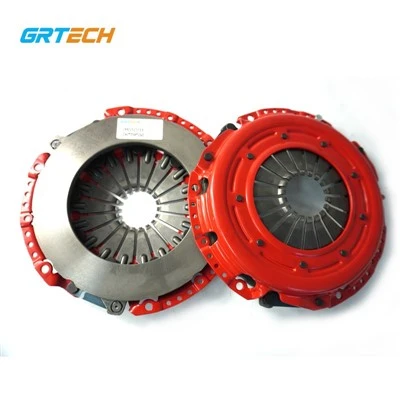
Advantages: High heat resistance, superior wear resistance, environmental friendliness. Widely used in modern vehicles, especially high-performance or heavy-duty applications.
2. Classification by Application
Automotive Clutch Discs
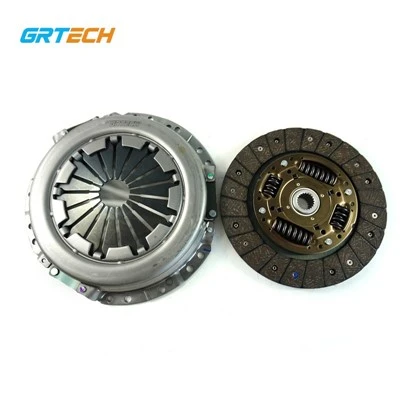
Design: Larger diameter (typically 180–300 mm), optimized for frequent gear shifts and stop-and-go traffic.
Features: Multi-spring dampers reduce vibrations during engagement, ensuring smooth operation in urban driving conditions.
Motorcycle Clutch Discs
Design: Compact size, often wet-type (immersed in engine oil).
Features: Enhanced heat dissipation for high-revving engines, superior torque transmission in racing or sport applications.
Industrial Machinery Clutch Discs
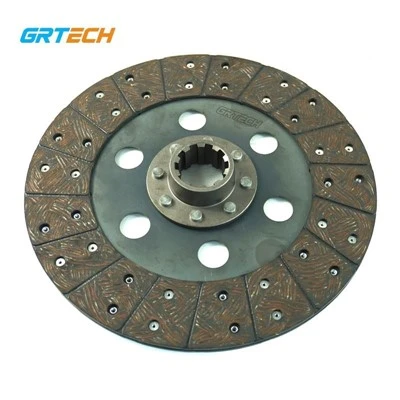
Design: Heavy-duty construction with reinforced friction surfaces.
Applications: Construction equipment, agricultural machinery, and industrial gearboxes requiring high torque capacity and durability.
Key Notes
Environmental Compliance: Modern clutch discs adhere to global regulations (e.g., EU REACH) banning asbestos use.
Performance Matching: Always select discs compatible with your vehicle's torque output and operating conditions (e.g., ceramic for racing, organic for daily driving).
Maintenance: Wet-type discs (motorcycles) require periodic oil changes to prevent friction material degradation.