Clutch Disc Structure and Working Principle
The clutch disc is a core component of a friction clutch, mainly transmitting and cutting off power through friction. It is commonly found in manual transmission systems of cars and motorcycles. The following is a detailed introduction from aspects of structure, working principle, types, common problems and maintenance:
I. Structure and Working Principle
1. Basic Structure
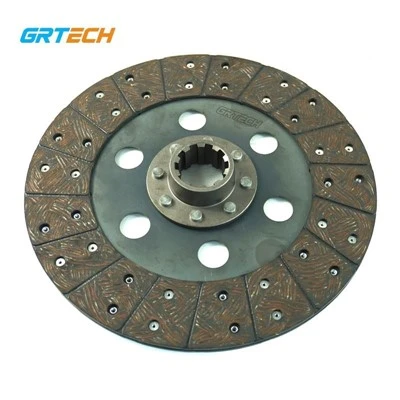
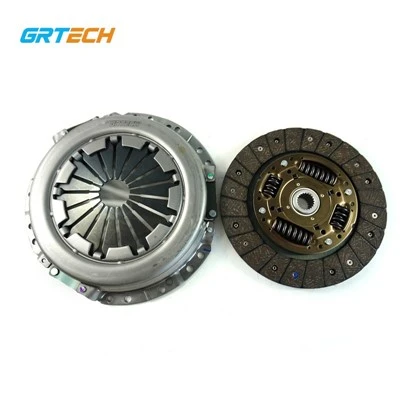
Friction Linings: Covering both sides of the clutch disc, they are made of high-temperature and wear-resistant materials such as asbestos, metal fibers, and resin, and are the parts that directly generate friction.
Steel Plate (Base): A metal disc in the middle, used to support the friction linings and connected to the input shaft of the gearbox through splines.
Damping Springs: Some clutch discs have spiral springs inside, which are used to buffer the shock during power transmission, reducing jolts and abnormal noises.
2. Working Principle
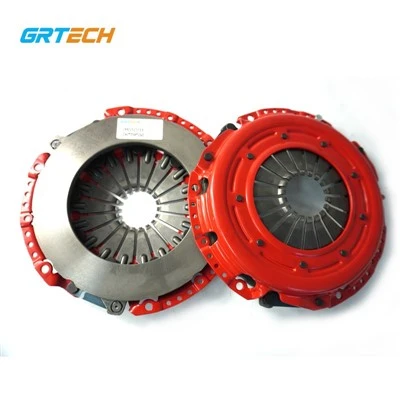
Engaged State: The engine flywheel and pressure plate clamp the clutch disc, and the friction linings transfer the power of the flywheel to the steel plate through friction, and then to the gearbox through splines.
Disengaged State: When the clutch pedal is depressed, the pressure plate separates from the flywheel, the clutch disc loses the clamping force, and the power transmission is interrupted.