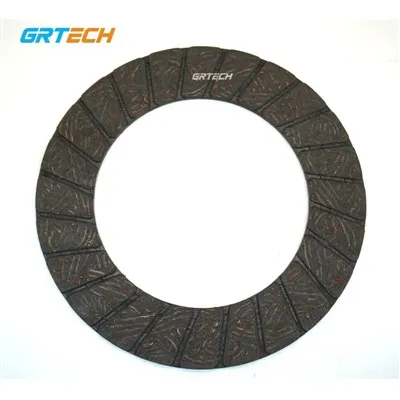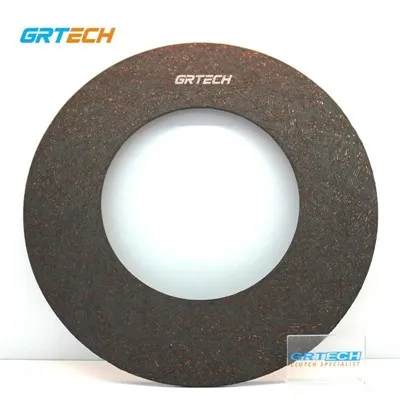
High-speed train brake pads

The brake pads of Electric Multiple Units (EMUs) are the core components of high-speed train braking systems, directly related to train operation safety and braking efficiency. The following is a detailed introduction from aspects such as materials, structure, performance, maintenance, and technical trends:
I. Core Functions and Working Principles
Functional Positioning
Brake pads convert the train's kinetic energy into thermal energy through friction with brake discs, enabling deceleration or stopping. During high-speed operation (e.g., 350 km/h), the heat generated by a single emergency braking can cause the friction surface temperature to exceed 700°C. Therefore, brake pads must possess high heat resistance and stable friction performance.
Coordination of Braking Systems
EMUs adopt a composite braking mode that combines electric braking and air braking:
Electric braking: It prioritizes energy recovery through motor reversal to reduce mechanical wear.
Air braking: Serving as the final guarantee, compressed air pushes the brake cylinder to make the brake pads clamp the brake disc, generating mechanical braking force.
Taking the CRH380B (L) as an example, its braking system is also integrated with electromagnetic track braking. It assists braking through the electromagnetic adsorption force between electromagnets and steel rails, further shortening the emergency braking distance.