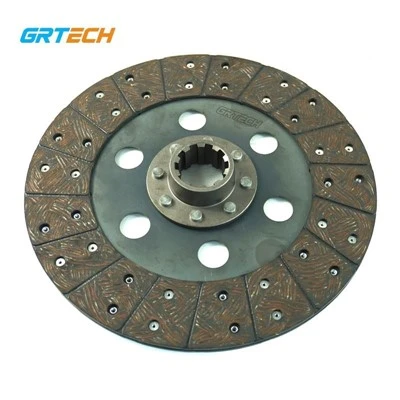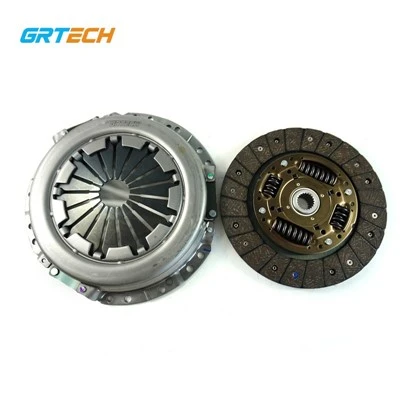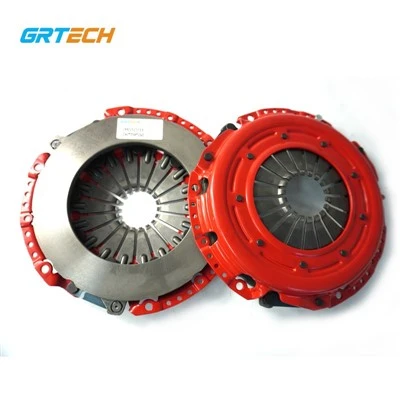
The friction plate needs a suitable and stable friction coefficient
The coefficient of friction is one of the most important properties of any kind of friction material, which is related to the performance of the transmission and braking functions of the friction plate. It is not a constant, but a number that changes due to the influence of temperature, pressure, friction speed or surface state and surrounding medium factors. The ideal coefficient of friction should have an ideal cold coefficient of friction and a temperature decay that can be controlled. Due to the heat generated by friction, the working temperature is increased, resulting in a change in the friction coefficient of the friction plate.
Temperature is an important factor affecting the coefficient of friction. During the friction process of the friction plate, due to the rapid increase of the temperature, generally the temperature reaches above 200°C, and the friction coefficient begins to decrease. When the temperature reaches the decomposition temperature range of resin and rubber, the coefficient of friction will suddenly decrease, which is called "thermal recession". Severe "heat recession" will lead to poor braking performance and deterioration. In practical application, the friction force will be reduced, thereby reducing the braking effect, which is dangerous and must be avoided. Adding high-temperature friction modifier fillers to friction materials is an effective means to reduce and overcome "thermal recession". After the "thermal decay" friction plate, when the temperature gradually decreases, the friction coefficient will gradually return to the original normal situation, but sometimes the friction coefficient will recover higher than the original normal friction coefficient and recover too much. Overrecovery is what we call "overrecovery". The coefficient of friction usually decreases with increasing temperature, but too much decrease cannot be ignored.
When the surface of the friction plate is wetted with water, the friction coefficient will also decrease. When the water film on the surface is removed and returned to a dry state, the friction coefficient will return to normal, which is called "wading recovery".
When the surface of the friction plate is stained with oil, the friction coefficient will drop significantly, but a certain friction force should be maintained so that it still has a certain braking performance.