The core components and functions of the clutch

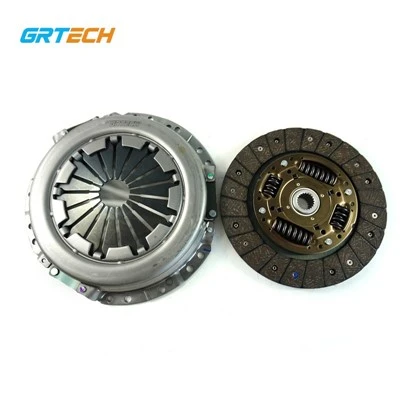
The clutch kit is a core component of the automotive power transmission system, with the primary function of smoothly transmitting and disconnecting power between the engine and the transmission. The mainstream products are based on the "three-piece set" consisting of clutch plates, pressure plates, and release bearings, while some kits include more auxiliary components to meet different needs.
Core Components and Functions
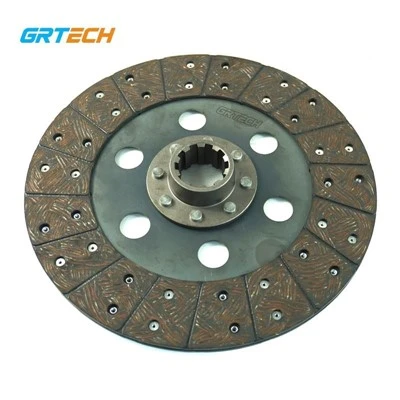
Clutch Plate: The core medium for power transmission, composed of a metal base plate and friction material. Materials include organic friction materials, semi-metallic, ceramic fibers, or sintered iron, etc. It connects the engine and the transmission through friction force, and different materials are suitable for daily commuting, aggressive driving, or racing scenarios.
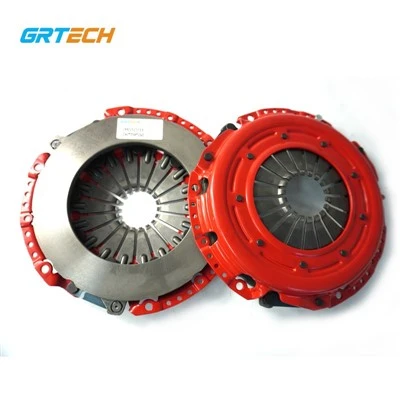
Pressure Plate: Usually made of cast iron, steel plates, or high-quality steel, it tightly presses the clutch plate against the flywheel through the force of springs. With precise structural design and advanced manufacturing processes, it ensures the stability and durability of power transmission, and also affects the force required to press the clutch pedal.
Release Bearing: Composed of needle bearings and thrust bearings, it is installed between the pressure plate and the input shaft of the transmission. During gear shifting, it assists in separating the pressure plate from the clutch plate, interrupting power transmission and ensuring smooth gear shifting. Its smooth operation directly enhances driving comfort.
Auxiliary Components: A complete assembly may also include a release sleeve, return spring, clutch cable, release fork, housing, etc., all working together to ensure the smoothness and stability of clutch operation.