How to select the matrix binder for resin-based friction materials?
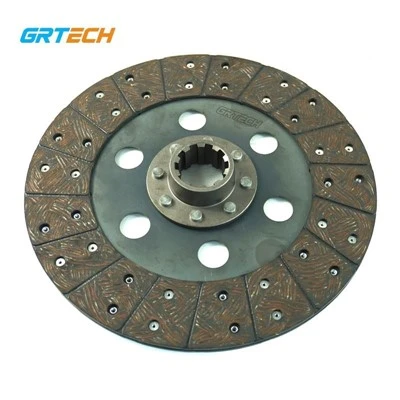
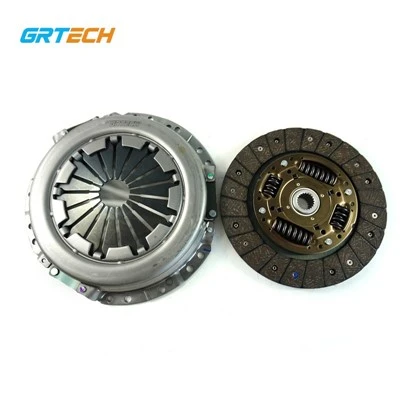
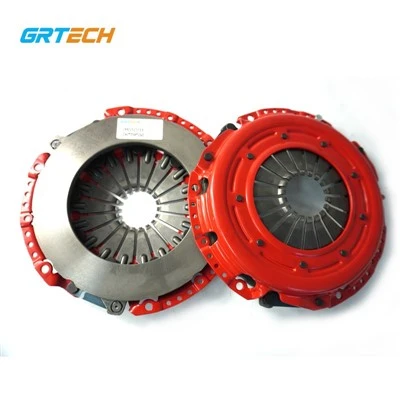
In a variety of friction materials, can be distinguished by metal-based, ceramic-based, resin-based, carbon / carbon composite category, these friction materials in the train, aircraft, automobiles, oil drilling rigs, machinery and other fields of extensive use, resin-based friction materials are widely used in a class of friction composites, which is mainly used as a braking material and clutch plate on a variety of vehicles or machinery for the operation of the braking or clutches.
Friction materials with good performance should be able to meet the following requirements at the same time, mainly:
1, in a certain range to meet the requirements of the friction factor;
2, low wear rate;
3, good resistance to thermal degradation and thermal recovery;
4, appropriate hardness;
5, lower noise.
Of course, to select the brake material can meet the above properties at the same time in addition to selecting the appropriate reinforcing materials, fillers and friction performance modifier and optimise the formula, the choice of resin is particularly important. In the friction material industry, decades of consistent use of low heat resistance of ordinary phenolic resins such as 2123 #, with the rapid development of the automotive industry, vehicle operating speed increases, the heat resistance of the brake material puts forward higher requirements to improve the friction material with the heat resistance of the resin has become the focus of research.
In recent years, many modified phenolic resins have appeared, such as cashew oil modified phenolic resin, melamine modified phenolic resin, boron modified phenolic resin (FB), etc. The successful development of these modified phenolic resins meets the requirements for the use of many high-performance brake materials.
On the current industrial production of a variety of phenolic resin varieties, by domestic and foreign scholars of the test and use of the FB boron modified phenolic resin is considered to be the best heat resistance. Examination of the heat resistance of the resin has a variety of methods, we chose the heat loss method (TG), from the TG curve, the decomposition temperature of the FB resin can reach 500 ℃ or more, the general phenolic resin more than 300 ℃ that is a large number of decomposition, in the friction material, the resin in addition to the requirements of the decomposition temperature should also have a high weight retention rate (residual carbon rate), the FB resin in the 900 ℃ of the weight retention rate of 60%. FB resin has a weight retention rate of 60% at 900℃.
In addition to excellent heat resistance, FB high-temperature resins also have excellent process performance, do not need to add the curing agent hexamethylenetetramine, but also has and a variety of rubbers, such as clear, styrene-butadiene rubber, EPDM rubber reaction characteristics. According to the national resin network (www.360gsz.com) experts, high-performance friction materials, in addition to selecting excellent performance of the resin, in the choice of reinforcing materials is also very important, widely used in the past, asbestos fibers due to environmental issues in the reduction of the use of or discontinued, other replacement fibers, such as steel fibers, glass fibers, charcoal fibers, aramid fibers, seafoam fibers, etc., were individually or in a mixture, the choice should take into account the performance, price and so on. When choosing, it is important to consider the performance, price and other issues, through different combinations of formulations to achieve the desired performance.