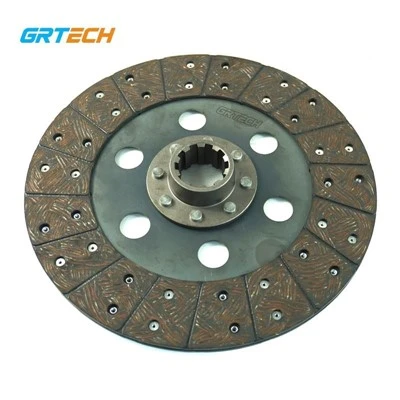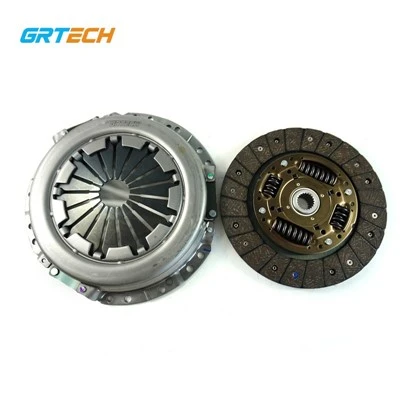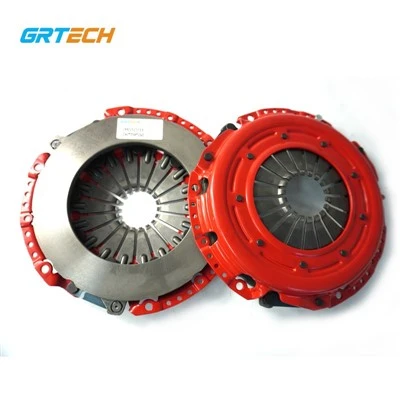
Functions of Clutch Steel Plate
Power Transmission: As a key component of the clutch, the MACK clutch steel plate is positioned between the engine and the transmission. Its primary role is to smoothly and efficiently transmit the power generated by the engine to the transmission, thereby driving the vehicle forward. When the clutch engages, the steel plate closely adheres to the engine flywheel, achieving power transmission through friction.
Torque Bearing: It can withstand the high torque output from the engine, ensuring reliable power transmission to the drivetrain under various working conditions such as vehicle acceleration and climbing, thus guaranteeing the normal driving performance of the vehicle.
Structural Support: It provides support and fixation for other clutch components, such as friction plates and shock-absorbing springs, maintaining the overall structural stability of the clutch to ensure that all components work in coordination and the clutch operates normally.
Shock Absorption and Buffering: Collaborating with shock-absorbing springs, it plays a role in buffering and damping during power transmission, reducing the impact of engine torque fluctuations and drivetrain vibrations on the vehicle, improving driving comfort, and extending the service life of related components.