Dry Clutch
I. Core Definition of Dry Clutch
A dry clutch is a clutch structure where the clutch friction discs are directly exposed to air and rely on air for heat dissipation, with no hydraulic oil or lubricating oil immersing the friction discs. It is also the core transmission component for current Manual Transmission (MT) vehicles and dry Dual-Clutch Transmission (DCT) vehicles. Its counterpart is the wet clutch (with friction discs immersed in hydraulic oil, dissipating heat and providing lubrication via oil fluid).

Supplementary: Core Function of a ClutchRegardless of dry or wet type, a clutch is essentially a power switch between the engine and the transmission: it cuts off power (for gear shifting and half-clutch engagement during starting) and engages power (for torque transmission during normal driving), serving as a core component for manual transmission and dual-clutch transmission vehicles.
II. Core Structure of Dry Clutch (Mainstream Model)
The core structure of a dry clutch is basically the same as that of a wet clutch, the only difference being the absence of an oil pan and hydraulic oil. All core components are mechanical structures, mainly consisting of the following parts:
Pressure Plate + Clutch CoverThe core components on the engine flywheel side. The pressure plate presses the friction disc tightly by spring pressure to achieve power engagement. When the clutch pedal is depressed, the release bearing pushes the pressure plate open, the friction disc separates from the flywheel, and power is cut off.
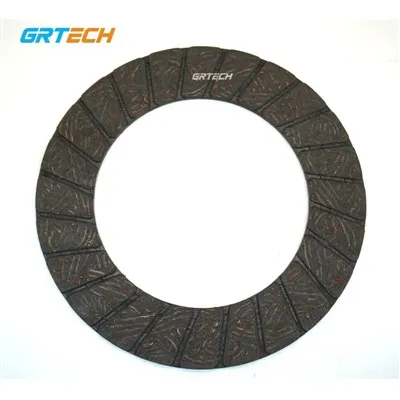
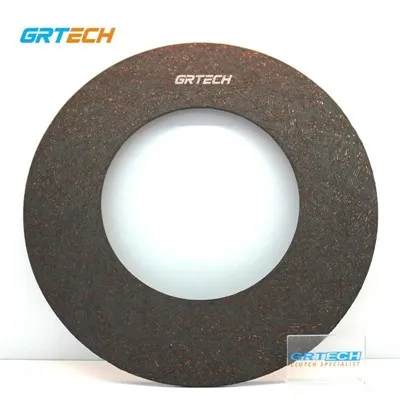
Clutch Friction DiscThe core component for force bearing and transmission. It is fitted with wear-resistant friction materials on both sides, with a splined hub in the middle that mounts on the transmission input shaft. The friction material of a dry friction disc is harder and more wear-resistant, and has no oil-resistant coating (a feature of wet friction discs). It is a wearing part of the dry clutch.
Release Bearing + Release ForkThe transmission components linked to the clutch pedal. The hydraulic cylinder or cable drives the release fork to push up the release bearing and complete power cut-off. Both parts are classified as wearing parts.
FlywheelA circular disc at the end of the engine crankshaft. The friction disc attaches to the flywheel, and the rotation of the flywheel drives the friction disc to rotate for power transmission. Flywheels are divided into conventional flywheels and dual-mass flywheels (standard equipment for dual-clutch vehicles, which reduces vibration).
Core DistinctionA dry clutch has no oil chamber or hydraulic oil, and all friction components operate in air; a wet clutch is equipped with a sealed oil chamber, and its friction discs are fully immersed in special hydraulic oil.