Complete Clutch Assembly Inspection Guide for Heavy-Duty Trucks
I. Core Clutch Components (Understand Structure Before Inspection)
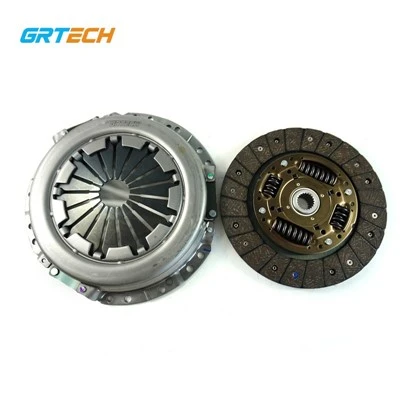
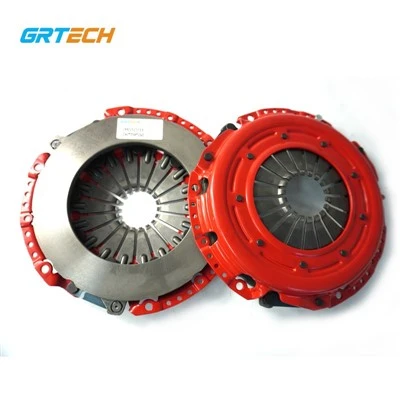
Driving parts: Flywheel, clutch cover, pressure plate assembly (diaphragm spring / coil spring)
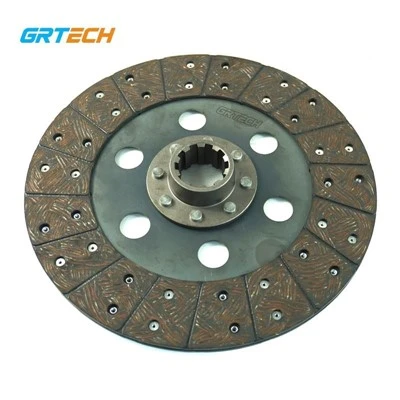
Driven parts: Clutch disc (friction lining, spline hub, shock-absorbing springs)
Clamping mechanism: Diaphragm spring (mainstream type), release levers
Operating mechanism: Release bearing, release fork, clutch master cylinder / slave cylinder, pedal, pull rod / air-assisted booster
II. Static Visual Inspection (Engine Off, Parking Brake Engaged)
1. Free Travel Measurement of Clutch Pedal (Basic Item)
Standard value: 25~35mm for most heavy-duty trucks
Measuring method: Press the pedal by hand, record the distance from fully relaxed position to the point with obvious resistance
Fault judgment:
Excessive travel: Incomplete clutch disengagement, gear grinding during shifting, difficult gear engagement. Common causes include worn release fork, excessive clearance of release bearing, fatigue failure of diaphragm spring on pressure plate
Insufficient / nearly zero travel: Long-term half-clutch operation, resulting in burnt friction disc, clutch slipping and insufficient power output
2. Visual Check of Accessories & Appearance
Check the clutch pedal for excessive play and wear/looseness of pin shafts and bushings;
Inspect air-over-hydraulic boosters for oil leakage, air leakage and seepage at pipe joints;
Check the inspection hole of gearbox / small hole on flywheel housing: Oil dripping indicates leakage of crankshaft rear oil seal, which will corrode and damage the clutch disc;
Check for damaged dust boots on release forks; water and sediment ingress will cause fork jamming.
III. Dynamic Road Test Inspection (Most Practical Fault Diagnosis)
(1) Clutch Slippage Test
Test Procedures
Under full load, engage direct gear, slowly lift the clutch until full engagement and accelerate with full throttle;
Alternative method: Uphill start with parking brake pulled. If engine speed stays high while the vehicle cannot move, it means severe slippage.
Typical Symptoms & Root Causes
Weak climbing performance, slow acceleration under heavy load, sharp rise of engine speed without corresponding vehicle speed increase;
Burnt pungent odor after prolonged heavy throttle operation;
Friction lining worn down to exposed rivets, grooved working surface of pressure plate, reduced elasticity of diaphragm spring, long-term half-clutch driving due to zero pedal free travel.
(2) Incomplete Clutch Disengagement
Symptoms
Loud gear grinding noise when engaging gears stationary, especially hard to shift into 1st gear and reverse gear;
Gear shifting jitter and difficulty even when the clutch pedal is fully depressed, obvious during low-speed shifts.
Triggering Factors
Excessive clutch pedal free travel;
Seized release bearing, bent/deformed release fork;
Uneven height of diaphragm spring fingers or failure of individual springs;
Rust seizure of clutch disc spline hub on transmission input shaft splines leading to poor sliding performance.
(3) Vehicle Shudder on Takeoff
Severe whole-vehicle shaking and resonance on drive shaft/cab during gradual half-clutch takeoff;
Causes: Warped pressure plate, uneven worn flywheel face, broken shock-absorbing springs or loose rivets on clutch disc, damaged engine mounting rubber pads.
(4) Fault Noise Classification & Diagnosis
Noise when depressing clutch: Worn/lack-of-lubrication release bearing (most common fault). Replace immediately to avoid abrasion damage to pressure plate diaphragm springs;
Noise when releasing clutch: Broken shock-absorbing springs on clutch disc or damaged input shaft pilot bearing;
Heavy knocking impact during gear shifting: Loose release fork or excessive internal clearance inside the gearbox.
IV. Dismantling Inspection & Measurable Standards (Professional Maintenance Level)
1. Clutch Friction Disc
Thickness standard: New disc approx. 10mm. Mandatory replacement when remaining thickness below 3mm. Do not continue service if rivet head clearance to friction surface is less than 1mm;
Inspection criteria: Directly scrap discs with burnt carbonization, cracks, block shedding or oil soaking. Check for broken and loose shock-absorbing springs.
2. Pressure Plate Assembly (Focus on Diaphragm Spring)
Height deviation of diaphragm spring fingers: Replace if circumferential height difference exceeds 0.5mm, otherwise uneven force will trigger shudder and incomplete disengagement;
Check springs for annealing discoloration, cracks and elastic fatigue. Machine resurfacing or replacement is recommended if groove depth on pressure plate friction surface exceeds 1mm;
For heavy trucks equipped with coil springs: Replace the whole set if springs have inconsistent height or fractures.
3. Flywheel Working Surface
Machine lathe resurfacing if flatness error exceeds 0.2mm; replace flywheel directly if cracks or blue discoloration from high-temperature annealing are found;
Note: Do not remove excessive material during flywheel resurfacing, otherwise effective clutch travel will be affected.
4. Release Bearing & Release Fork
Replace bearing directly if rotation is stiff, noisy or with excessive play;
Straighten or replace release fork if deep wear grooves or bending deformation exist on fork head.
V. Leakage Test for Hydraulic & Air Booster System
Depress clutch pedal fully and hold for 1 minute. No pedal sinking means master cylinder internal sealing is intact; sinking indicates damaged piston sealing rings inside master cylinder;
Ensure slave cylinder pushrod resets smoothly without jamming after pedal release;
Listen for air leakage from air booster. Air leakage leads to heavy pedal feel and insufficient disengagement force.
VI. Regular Wear Rules & Preventive Maintenance Tips (Fleet Operation Standard)
Avoid long-time half-clutch revving for uphill takeoff, which easily burns friction discs;
Do not rest your foot constantly on the clutch pedal during traffic jams;
Regularly inspect crankshaft rear oil seal, as oil leakage is the top cause of premature clutch disc failure;
Replace the complete clutch kit (disc, pressure plate, release bearing) as a matched set to prevent poor compatibility between old and new components;
Recheck clutch clearance every 8,000–12,000 kilometers for heavily loaded vehicles.