Clutch failure phenomenon, causes and repair methods
Clutch in the process of use, the main faults that often occur are heavy clutch pedal, slipping, separation is not complete (difficult to gear), shivering, breaking, abnormal noise and so on.
Pedal heavy fault phenomenon, causes, test methods and maintenance
1. Fault phenomenon.
Heavy foot clutch pedal, foot fatigue. Relative to the same other vehicles clutch pedal force there is a significant difference....
2. Causes:.
(1) Separation of the master spring assembly: improper adjustment, the pedal is too high, and there is no air travel.
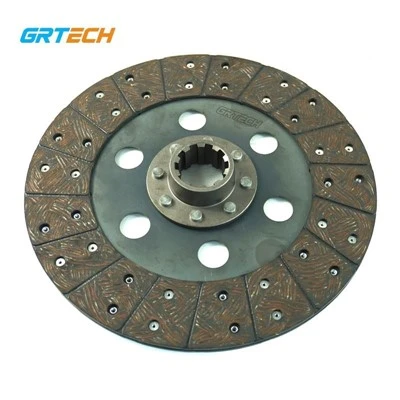
(2) Follower disc (friction disc) assembly: friction disc abrasion. (Wear to the friction disc kushi nail)
(3) The total pump of the merchant coupling, the sub-pump, the separation of pulling, the separation of bearings and other card, the movement is not flexible.
(4) Flywheel work and pressure disc work and wear. (Wear more than 0.5mm)
(5) Separation finger excessive wear (finger end arc has been smoothed), separation bearing excessive wear (thrust flat and wear out the concave arc).
3. Maintenance method.
(1) Check whether the clutch pedal is too high, whether the air travel is appropriate, adjust to the normal state. If the fault phenomenon is not eliminated then proceed to the next step.
(2) Check whether the clutch pedal, the total home, split spring, release fork, release bearing, etc., whether there is card involved in the phenomenon of inflexible movement, whether the clutch pedal back to normal. Eliminate still can not be solved then proceed to the next step.
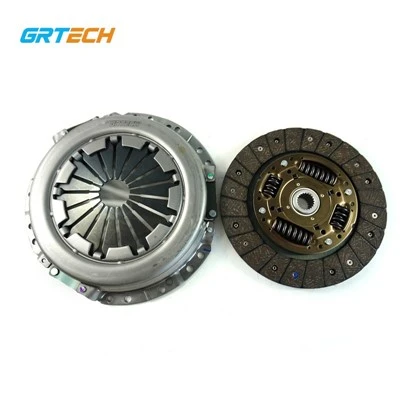
(3) Check whether the clutch disc assembly, cover assembly, R wheel wear excessive, pressure plate separation finger, separation bearing thrust level and whether wear excessive. Disc assembly friction plate wear should not leak out of the bushings; measured with vernier calipers, cover assembly pressure plate working end and wear should not be greater than 0.3mm; ~ flywheel mounting depth measured with a depth gauge, the depth of wear should not be greater than 0.5mm.
Above; pressure plate separation finger end arc surface should not be ground flat; separation bearing thrust plane should not be ground concave arc; does not meet the dimensions should be replaced. But in the repair process should pay attention to a part does not meet the requirements should be replaced individually, not a general set of replacement. (For example: clutch disc assembly is too much wear, only change the disc assembly, do not replace the cover assembly at the same time)
Translated with DeepL.com (free version)