Clutch components and functions
Clutch is installed between the engine and gearbox to achieve separation and combination of devices, its normal work can enable the vehicle to complete a smooth start, smooth shift, prevent transmission overload. We, as pilots, shift gears with our hands in the cockpit, control the clutch pedal with our feet, and actually control the clutch.
It's not easy to explain the working principle of the clutch in a few words, so let's first understand the clutch through a 3D animated video, which is more intuitive.
The clutch consists of the following parts:
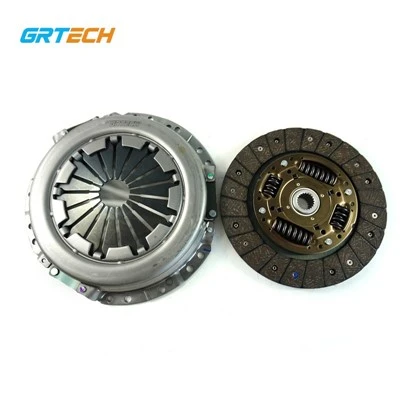
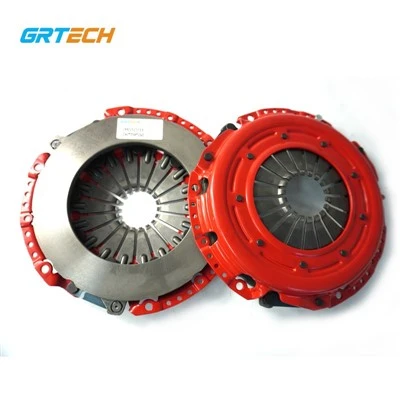
Active part: flywheel, pressure plate, clutch cover, etc.
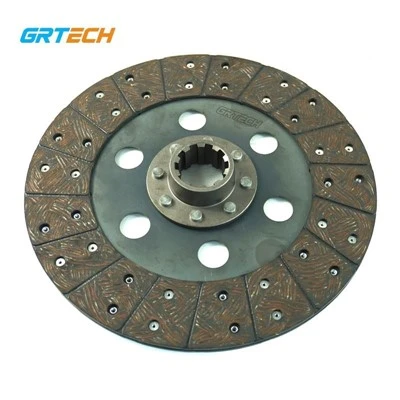
Driven part: driven disk, driven shaft;
Pressing part: pressing spring;
Control mechanism: separation lever, separation lever support column, swing pin, separation sleeve, separation bearing, clutch pedal, etc
Separation process: the driver steps on the clutch pedal, and the separation fork pulls the driven disk backward. The main and driven parts are separated and there is a gap, and the power transmission is interrupted.
Engagement process: the driver releases the clutch pedal, presses the spring to press the driven disk on the flywheel, rotates at the same speed, and the clutch is engaged completely.
Clutch functions:
1, a smooth start
When every driver learns to drive in a driving school, he will encounter the stumbling block of "how to make the car start smoothly". Fast step slow loose is the secret of success, fast step is not only to transfer power, but also to avoid wear; When the driving force is greater than the starting resistance, the vehicle will slowly accelerate to start.
2, smooth shift
The vehicle needs to constantly shift in the driving, the driver needs to step down the clutch pedal before shifting, interrupt the power transmission, so that the original gear pair out of engagement, and gradually approach the speed of the meshing part of the new gear pair, in order to ensure that the impact is reduced when entering engagement.
3, prevent transmission overload
When the car is in emergency braking, the clutch can eliminate the transmission system to bear the load beyond the maximum torque that the clutch can transmit through the relative movement between the main and driven parts.
Common clutch faults
Clutch skidding, incomplete separation, jitter, abnormal sound and other problems, in order to avoid these failures, we should correctly control the clutch in the daily car. For example, the clutch pedal must be fully pressed down before shifting gears. When pressing the clutch pedal, the accelerator should be released quickly. Don't keep your foot on the clutch pedal while driving. If the gear shift fails, do not force the shift, otherwise the friction of the gear may cause damage.