Analysis of the advantages and disadvantages of various friction materials
Friction materials are widely used in brakes, clutches and friction transmission devices of various transportation vehicles (such as cars, trains, airplanes, ships, etc.) and various machinery and equipment. In the braking device, the friction performance of the friction material is used to convert the rotational kinetic energy into heat energy and other forms of energy, thereby braking the transmission device.
Modern automobile friction materials are a type of composite materials with friction as the main function and structural performance requirements. During work, it is mainly subjected to repeatedly changing mechanical stress fields and thermal stress fields, and the source of force and heat is the friction interface that infinitely forms a new working surface.
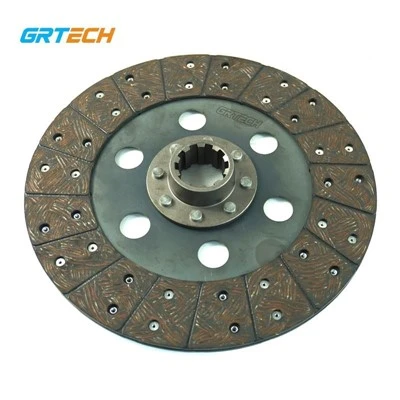
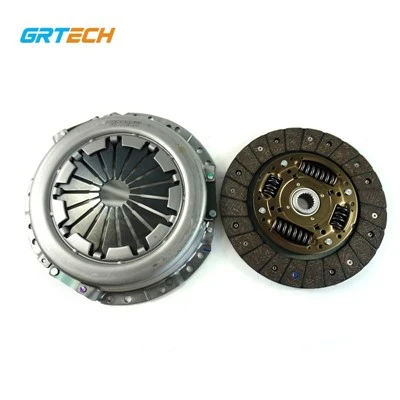
Friction materials used in automobiles are mainly brake friction plates and clutch plates. Friction materials are both safety parts and wearing parts.
Traditional wet friction materials are manufactured by mixing ingredients of paper pulp friction materials. This type of paper-based friction material made by traditional technology shows some obvious shortcomings in high-load use environments:
(1) Compared with copper-based friction materials, paper-based materials have better friction coefficients and poor temperature resistance;
(2) Paper-based materials have better oil compatibility than copper-based materials. However, this compatibility is still insufficient in actual use;
(3) Paper-based materials have poor thermal conductivity and are prone to local hot spots on the surface under heavy loads.
In response to the above problems, the solution is to use carbon fiber as friction material. But in fact, people do not widely use carbon fiber as friction material. The main reason is that the cost of friction material after using carbon fiber is too high.