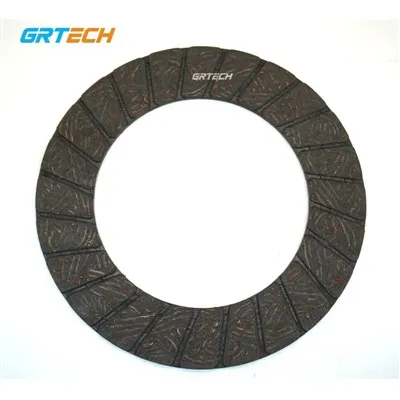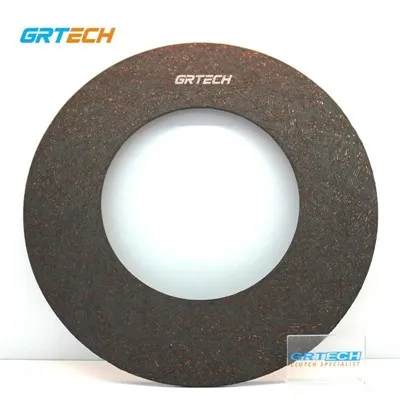
A Comparison of the Advantages and Disadvantages between Drum Brake Pads and Disc Brake Pads
Asbestos Brake Pads
Composition: Made with asbestos fibers as the main reinforcing material, and adding other auxiliary materials such as resin and graphite.
Characteristics: It has good friction performance, stable braking effect, and a relatively low price. However, asbestos is a carcinogenic substance. During the use process, asbestos fibers may be released into the air along with the wear during braking, causing serious harm to human health and the environment. Therefore, asbestos brake pads have gradually been phased out at present.
Semi-metallic Brake Pads
Composition: Made by mixing various materials such as metal fibers (such as steel fibers, copper fibers, etc.), non-metallic fibers (such as glass fibers, aramid fibers, etc.), resin, and friction performance regulators.
Characteristics: It has high strength and good thermal conductivity, and can dissipate heat quickly, effectively avoiding the braking fade phenomenon caused by high temperature during braking. The braking response is sensitive, and the braking force is large. However, semi-metallic brake pads may produce relatively large noise during the braking process, cause relatively large wear on the brake disc, and are relatively heavy in weight, which may increase the unsprung mass of the vehicle.
Ceramic Brake Pads
Composition: Mainly composed of high-performance fibers such as ceramic fibers and aramid fibers compounded with a resin matrix, and adding some additives such as metal oxides to improve the friction performance.
Characteristics: It has excellent high-temperature resistance, can maintain a stable friction coefficient at high temperatures, and has a good braking effect. The ceramic brake pads have a low wear rate, a long service life, cause little wear on the brake disc, and can effectively extend the service life of the brake disc. In addition, it also has good comfort, with low braking noise, less dust, and is environmentally friendly. But the price of ceramic brake pads is relatively high.
NAO (Non-Asbestos Organic) Brake Pads
Composition: Made with a variety of organic fibers (such as aramid fibers, cellulose fibers, etc.) and inorganic fillers (such as graphite, barium sulfate, etc.), using resin as the binder.
Characteristics: NAO brake pads do not contain asbestos and are harmless to the environment and human health. It has good braking performance, a stable friction coefficient, good comfort during braking, and low noise. At the same time, the NAO brake pads have a relatively low wear rate and can adapt to different road conditions and driving conditions. However, its high-temperature resistance is slightly inferior to that of ceramic brake pads and semi-metallic brake pads, and there may be a certain degree of braking fade during long-term and high-intensity braking.
Brake pads of different materials have their own advantages and disadvantages. Consumers should comprehensively consider factors such as their vehicle models, driving habits, and budgets to select brake pads suitable for their vehicles.
Drum and disc brake pads each have their own unique advantages and disadvantages. The following is a comparison between the two:
Drum Brake Pads
Advantages: The structure is simple and the cost is relatively low. Moreover, the contact area between the brake shoes and the brake drum is large, resulting in a large braking torque, and the braking effect is good when driving at low speeds and under heavy loads. At the same time, drum brake pads have a sealed structure, which is less affected by the external environment and can adapt to harsh road conditions.
Disadvantages: When braking, heat is concentrated inside the brake drum, and it is difficult to dissipate heat. Thermal fade is likely to occur during continuous braking, leading to a decrease in braking efficiency. In addition, the braking response is slow, the brake pedal travel is long, and the braking accuracy is poor. What's more, maintenance is complicated and disassembly is troublesome. And due to uneven wear, it will affect the service life.
Disc Brake Pads
Advantages: It has good ventilation and heat dissipation performance, which can quickly reduce the braking temperature, reduce thermal fade, and ensure stable braking efficiency. It performs well during high-speed and frequent braking. The braking response is rapid, the pedal travel is short, and it can precisely control the braking force, improving driving safety and handling performance. Furthermore, the structure is simple, making it convenient for maintenance. Also, the wear is uniform, and the service life is long.
Disadvantages: The braking torque is relatively small, and the braking effect is not as good as that of drum brake pads when under heavy loads and at low speeds. Since the brake disc and brake pads are exposed, they are easily affected by mud and dust, resulting in a decline in braking performance. At the same time, the cost is higher. Under the same conditions, the price of disc brake pads and their supporting brake discs is higher than that of drum brake pads and brake drums.