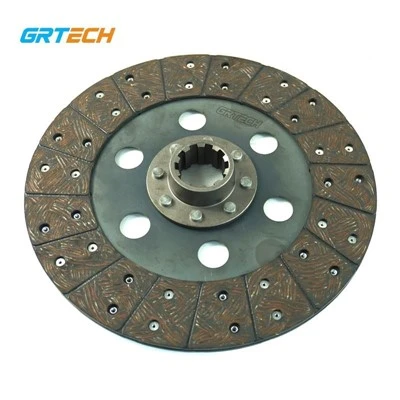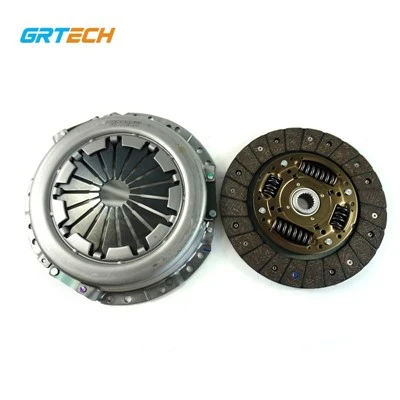
Introduction to Powder Metallurgy Friction Materials (above)
Metallic and non-metallic composite materials with high coefficient of friction and high wear resistance made by powder metallurgy. Mainly used in the manufacture of a variety of brake and transmission parts. In 1930, the United States Wellman (S.K. Wellman) developed the use of oil (wet) copper-based powder metallurgy friction materials, and applied to industrial production.
In the 1950s, iron powder metallurgical friction materials for dry friction appeared. Compared with the original use of metal friction materials, this material can withstand the temperature of the friction surface from 500 to 600 ℃ increased to more than 1000 ℃. China's powder metallurgy friction material research began in the 1960s, has produced more than 10 kinds of copper-based and iron-based powder metallurgy friction material. Compared with non-powder metallurgy friction materials (such as cast iron and cast steel, resin-bonded asbestos and resin-bonded "metal - non-metallic" powder mixture, etc.), powder metallurgy friction materials have the following advantages: can quickly absorb kinetic energy, braking, transmission speed, wear and tear; high strength, high temperature and high pressure, good thermal conductivity, and even if the powder metallurgy friction materials are not powder metallurgy friction materials, they can absorb kinetic energy, brake, drive fast, and wear little; high strength, high temperature and high pressure, and good thermal conductivity. High strength, high temperature and high pressure, good thermal conductivity, even at high temperatures and high pressures can maintain a more stable coefficient of friction; not easy to bite with the friction material, corrosion resistance, the coefficient of friction by the grease, moisture, the impact is small; low noise, long service life and so on.