Working Principle of Tractor Clutch
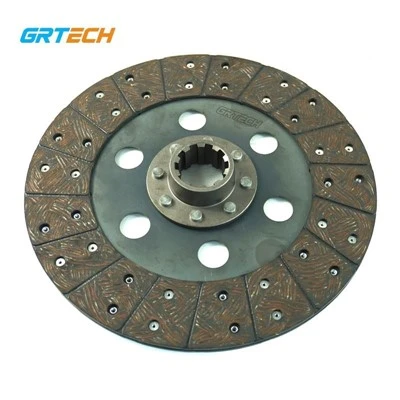
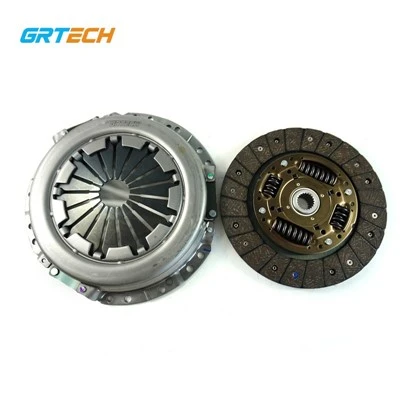
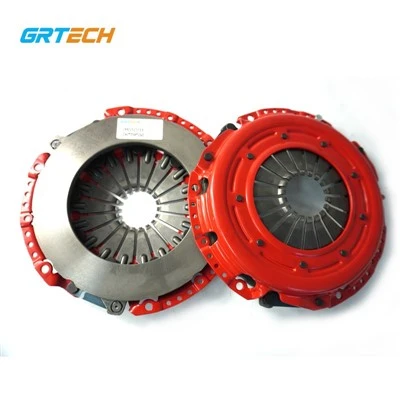
Working Principle The tractor clutch is located between the engine and the transmission. It is mainly composed of the clutch pedal, clutch disc, flywheel, pressure plate, release bearing and other components. When the clutch pedal is depressed, the release bearing pushes the pressure plate, reducing the pressure exerted by the pressure plate on the clutch disc. As a result, the clutch disc separates from the flywheel, cutting off the power transmission from the engine to the transmission. When the clutch pedal is released, the pressure plate presses the clutch disc tightly against the flywheel under the action of the spring. The engine's power is then transmitted to the transmission through the clutch disc, enabling the tractor to move. ### Types - **Mechanical Clutch**: Includes single-disc dry clutches and multi-disc clutches. The single-disc dry clutch has a simple structure and is commonly used in small tractors. The multi-disc clutch has multiple friction plates and can transmit greater torque, making it suitable for large or heavy-duty tractors. - **Hydraulic Clutch**: Usually a hydraulic wet clutch, which uses hydraulic fluid to transmit power and cool clutch components. It features smooth engagement and good heat dissipation. - **Combined Clutch**: Such as the dual-clutch system, which combines mechanical and hydraulic clutch technologies to achieve seamless shifting between different gears. There is also the power shift clutch, which is used to control the tractor's direction of travel and improve operational efficiency.