What is powder metallurgy friction material composed of?
Powder metallurgy friction materials are divided into iron-based and copper-based materials according to the base metal, and are divided into dry and wet materials according to different working conditions. The wet materials are suitable for working in oil.
Powder metallurgy friction materials are composed of basic components and auxiliary components. The bearing capacity, thermal stability, wear resistance and heat resistance of the friction material are guaranteed by the composition, structure and performance of the basic components, and the auxiliary components can further improve the performance of the matrix. The iron-based friction material has good friction performance under high temperature and high load, and can withstand relatively large pressure. Copper-based friction materials have good manufacturability, stable friction coefficient, good anti-sticking and anti-seizing properties, and excellent wear resistance under wet working conditions, and are often used for working in oil.
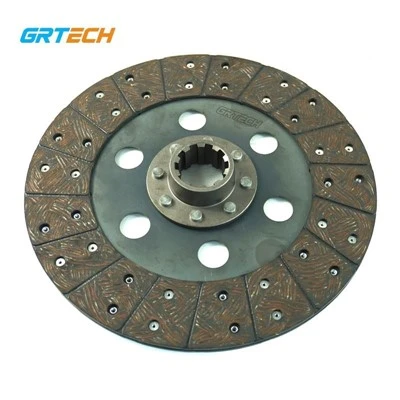
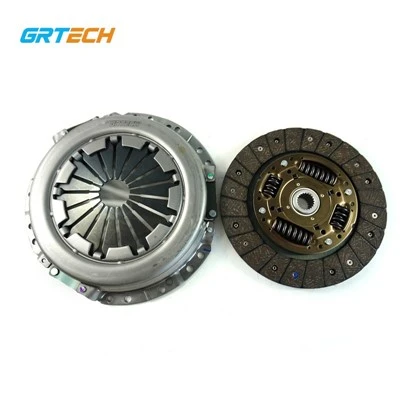
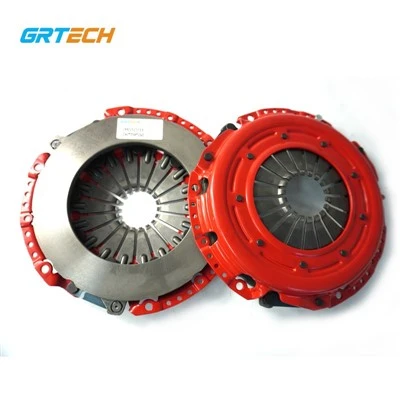
Powder metallurgy friction materials are mainly used to make clutches and brakes on machine tools, tractors, automobiles, mining vehicles, construction machinery and aircraft.
Basic process of powder metallurgy
The basic process of powder metallurgy includes powder preparation, molding and sintering. Powder preparation methods include mechanical crushing method, reduction method, atomization method, electrolysis method, vapor deposition method, liquid deposition method, reduction-chemical method, etc. Molding (steel mold) forming is the most widely used forming method in powder metallurgy production, which is to make loose powder into semi-finished or finished products with predetermined geometry, size, density and strength. Sintering is a complex process of material migration between powder particles at high temperature, which results in the strengthening of the bonding between powder particles and the further densification of the powder sintered body.