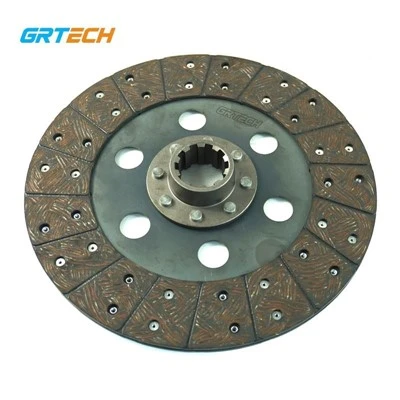
What is brake pad friction material
Brake pads are also called brake pads. The main function of the friction material is to rub against the surface of the brake disc when the car is braking to achieve the braking effect. Therefore, it deserves to be the most important part of the brake pad structure.
Generally speaking, the friction material of the brake pad is mainly composed of 4 parts, the basic material, the filling material, the grinding agent and the reinforcing fiber. The proportion of these materials varies from product to product, depending on the application and the coefficient of friction. In addition, the friction materials used in different grades of cars and disc brake pads and drum brake pads are also different. For brake pads, the most important thing is the formulation of the friction material. The final braking effect, wear resistance, temperature resistance and other properties of the brake pad will depend on the relative proportions of the different components.
At present, the common friction materials on the market can be divided into four types from the basic materials: asbestos, semi-metal, low metal, and NAO ceramic formula (that is, asbestos-free organic type). Let's take a closer look at the brake pads of these different materials.
01 Asbestos formula: It has been banned for environmental reasons.
02 Semi-metal mixed material formula: "Semi-metal" mixed brake pads mainly use 30-50% "black metal" as reinforcing fiber and important mixture. The main advantage lies in its excellent heat dissipation capability, and its thermal decay performance is good. But because the hardness is relatively high, it is easy to generate noise.
03 Low metal mixture type brake pads: "Low metal" mixture type brake pads mainly use ferrous metals and non-ferrous metals within 10% as reinforcing fibers. Main advantages: moderate hardness, good braking comfort, high braking sensitivity and low braking noise.
04 Ceramic formula: NAO/ceramic formula is the current development trend in the research and development of friction material formula for brake pads. The early research and development of NAO formula was mainly used to replace traditional asbestos materials, which mainly used glass fiber, aramid fiber or other fibers (carbon, ceramics, etc.) as reinforcement materials.
The advantages of NAO/ceramic formula are good braking comfort, low braking noise, long service life, cleaner and more environmentally friendly. However, due to the characteristics of the material itself, the braking force is relatively low, and it is generally used in Japanese and Korean models; some heavy-bodied models such as European and American cars are not suitable for pure ceramic formula.