what can you do to extend your brake pad life?
Try out these methods to prevent you from having to replace your brake pads too quickly:
1. Slower Driving
When you drive slower, your brakes will have to exert a smaller amount of force to bring your car to a halt. And, lower force = lower pressure on your brake pads, which results in them wearing out slower.
Of course, you should always be aware of your surroundings and stay within the proper speed limit. So please don’t try driving under 20mph on the highway!
2. Reducing The Weight Of Your Car
Check your cargo carrier, backseat, and trunk to see if there’s any unnecessary weight you’re carrying.
The heavier your car, the greater the force required to stop it.
Shedding such unnecessary weight is one of the easiest ways to lengthen pad life.
3. Engine Braking
As mentioned earlier, utilizing engine braking can significantly reduce the stress you place on your brake pads.
Engine braking involves taking your foot off the accelerator pedal and downshifting through the gears to slow your car down without relying on your brakes.
This way, you’ll only need to use the brakes during an emergency or when the car is moving in first gear (which anyways only requires a small amount of braking force).
Note: Even though you can technically engine brake in an automatic vehicle, it’s not advised since you can end up damaging the transmission.
What are the different types of brake pad slots?
Why brake pad manufacturers use slots
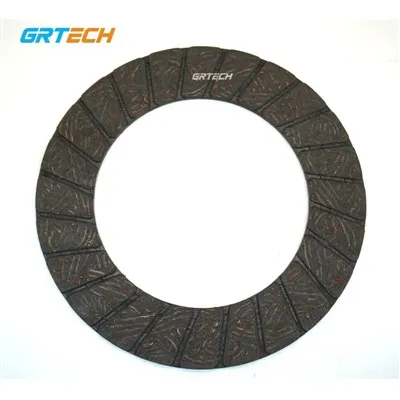
Brake pad slots perform triple duty: First, they act like a slot in a sidewalk to provide stress relief areas. If the brake pad is going to crack, the slot becomes the most likely spot. Second, slots break the friction material into separate units to change the frequency and amplitude of brake vibration. Lastly, the slots provide an exit path for the gasses that are generated during braking.