What are the requirements for the selection of friction materials for elevator friction plates?
Due to their high speed and frequent use, passenger elevator friction plates have very high requirements in the selection of friction materials. They are mainly made of graphite and resin, and of course there are also customized materials, such as nano calcium carbonate JTC, ceramic powder instead of resin. New material carbon - Carbon fiber EKC replaces asbestos fiber, inorganic whiskers, silica, oil-resistant materials, high-wear-resistant metal powder and other raw materials.
The elevator friction plates are mixed and pressed using new technology to ensure stable high-temperature friction performance. Elevator friction plates have the advantages of superior performance, no noise, high wear resistance, high temperature resistance, and long service life. Elevator friction plate products used to be basically imported.
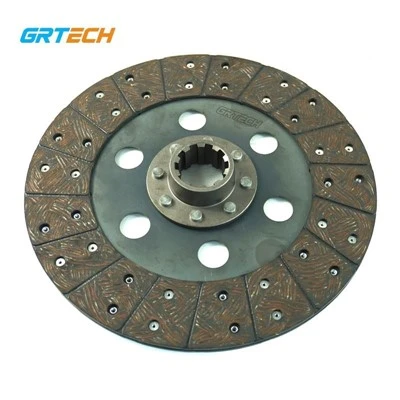
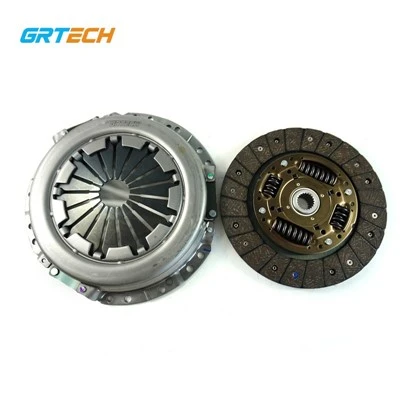
Before assembling the elevator friction pad material, mechanical processing, such as drilling, riveting and assembly, must be performed to manufacture the brake pad assembly or clutch assembly. During the working process of the elevator friction plate, the electric elevator friction plate material must not only withstand high temperature, but also high pressure and shear force. Therefore, the friction material must have sufficient mechanical strength to ensure that the friction plate of the electric lift will not break during processing or use. In order to ensure that the clutch plate does not break under high-speed rotation conditions, the motor elevator friction plate is required to have sufficient impact strength, static bending strength, large strain value and rotational breaking strength.