Analysis of clutch structure and function of tractor
一,the main clutch
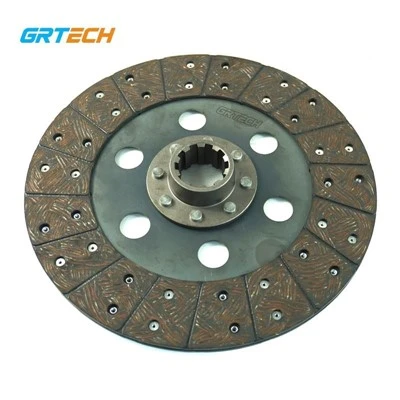
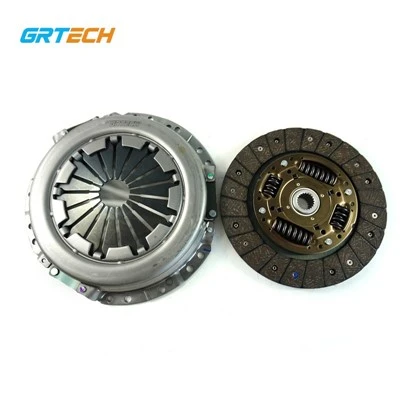
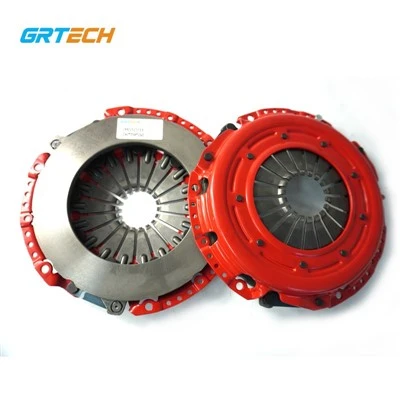
The main clutch of the tractor connects the engine and transmission, transfers power to the transmission, and completes the vehicle driving. The main clutch is divided into two types: friction clutch and hydraulic clutch. The friction clutch is named for the "friction plate", and the pressure plates are set up at both ends of the clutch plate respectively, and the two pressure plates are connected or separated by operating the clutch pedal, so that the clutch is in a closed or open state
二,power separator
The power separator is usually located in the transfer mechanism in the transmission and is used to select forward, backward, or stop. It is also operated by controlling the clutch pedal in the cab. When the pedal is operated, the clutch and torque converter are "separated" so that the engine's torque cannot be transferred to the wheels, thus achieving a car roof
Stopped state
三,PTO clutch
PTO is short for power output, which is located at the back of the tractor and is used to drive external mechanical equipment, such as tractor-trailers, turf machines, etc. PTO clutch mostly adopts friction clutch, its structure is similar to the main clutch, by controlling the clutch pedal to open or close the PTO transmission system, to achieve the tractor drive slope and mechanical equipment drive clutch effect.
The function of the clutch is to smoothly transfer the power of the engine to equipment such as transmission, transmission shaft and PTO when starting or stopping the tractor, so as to drive the tractor or drive external equipment. Therefore, the normal use and maintenance of the clutch is crucial to the normal operation and life of the tractor. For example, regularly replacing the clutch plate and checking the bearing structure of the clutch pedal are important measures to ensure the normal operation and long life of the clutch.