The role of the friction plate in the drum brake
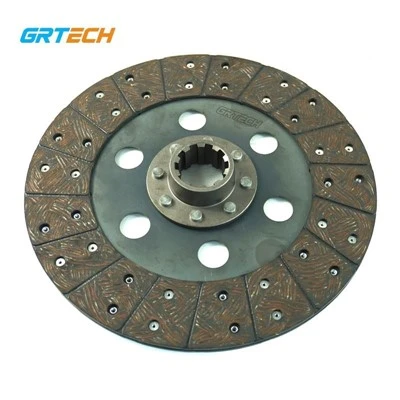
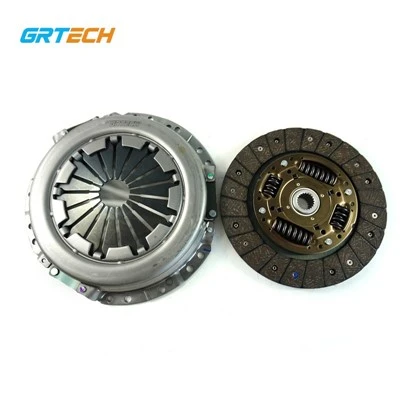
Drum brakes mainly include brake wheel cylinders, brake shoes, brake drums, friction plates, return springs and other parts.
The drum brake uses a hydraulic device to control the friction between the friction plate and the inner surface of the brake drum that rotates with the wheel, thereby achieving the braking effect.
When the brake pedal is stepped on, the brake master cylinder is pushed to generate pressure, and the pressure is transmitted to the brake cylinder of the wheel through the brake fluid, thereby pushing the brake shoe to move outward, and the friction plate connected to the brake shoe and the brake drum are generated. friction, resulting in braking force.
Since the working environment of the drum brake is relatively closed structurally, the heat generated during the braking process is not easy to dissipate, which will easily cause heat decay, and frequent braking will affect the braking effect. Therefore, the braking performance stability of the drum brake is relatively poor. Even so, due to the relatively low cost of drum brakes, they are still used in miniature vehicles and cheap low-end cars;
Another advantage of drum brakes is that they can provide high braking force, that is, labor saving. Therefore, in traditional manual parking, drum brakes are generally used.