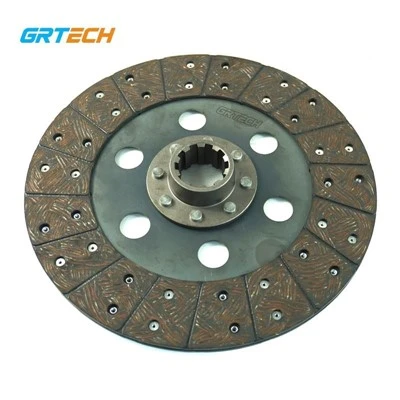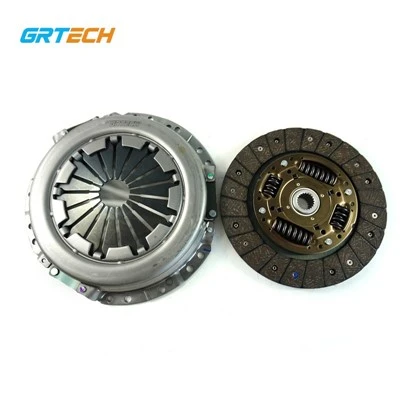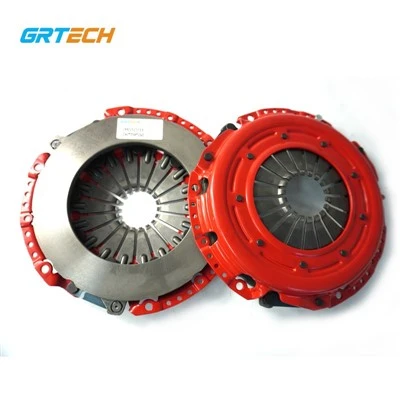
The Functions of the Clutch
Smooth Starting: When starting a car, by gradually releasing the clutch pedal, the frictional force between the clutch disc and the flywheel gradually increases, smoothly transmitting the power of the engine to the transmission and the drive wheels. This enables the vehicle to start slowly and smoothly, avoiding the vehicle surging forward or stalling due to the sudden transmission of engine power.
Smooth Gear Shifting: During the gear shifting process, press the clutch pedal to cut off the power transmission between the engine and the transmission, allowing the gears inside the transmission to engage or disengage under no load, thus achieving smooth gear shifting. Without a clutch, direct gear shifting would generate a large amount of impact and noise, and may even damage the transmission gears.
Overload Prevention: When the vehicle encounters a sudden increase in resistance during driving (such as getting stuck in a mud pit, overloading, etc.), and the resistance exceeds the maximum torque that the clutch can transmit, the clutch disc will slip between the flywheel and the pressure plate. This limits the torque transmitted to the drive wheels, preventing the engine and the transmission system from being damaged due to overload.
The Working Characteristics of the Clutch
Torque Transmission Characteristics: The clutch can transmit different magnitudes of torque according to the need. During normal driving, it can transmit all the torque of the engine to the transmission; while during starting, gear shifting, or in special situations, it can precisely control the magnitude of the transmitted torque by controlling the engagement degree of the clutch to meet the requirements of different driving conditions of the vehicle.
Dynamic Response Characteristics: The clutch needs to have fast dynamic response capabilities, that is, when the driver presses or releases the clutch pedal, it can quickly achieve the separation or engagement action. This is crucial for ensuring the vehicle's power performance and driving comfort. For example, during emergency acceleration or overtaking, quickly engaging the clutch can transmit the engine's power to the drive wheels rapidly, enabling the vehicle to accelerate quickly.
Friction Characteristics: The friction performance between the clutch disc, the flywheel, and the pressure plate directly affects the working effect of the clutch. Good friction characteristics should have a high and stable friction coefficient, be able to maintain reliable frictional force under different working temperatures and pressure conditions, and also have a low wear rate to extend the service life of the clutch.
Driving Skills Related to the Clutch
Semi-engagement Skills: In some special situations, such as starting on a slope or following a vehicle at a low speed, it is necessary to use the semi-engagement state of the clutch. At this time, the clutch disc and the flywheel are in a state of partial engagement and partial slipping. By controlling the position of the clutch pedal, the magnitude of the power transmitted from the engine to the drive wheels can be precisely controlled, enabling the vehicle to travel smoothly at a low speed. However, the semi-engagement state should not be used for a long time, otherwise it will cause the clutch disc to overheat and accelerate wear.
Gear Shifting Timing and Clutch Coordination: Correctly mastering the gear shifting timing and coordinating it with the operation of the clutch is an important skill in driving. Generally speaking, the appropriate gear shifting timing should be selected according to the engine speed and the vehicle's driving speed. When shifting up, after the engine speed reaches a certain value, press the clutch pedal, quickly shift to a higher gear, then slowly release the clutch pedal while appropriately adding fuel to make the vehicle accelerate smoothly; when shifting down, also press the clutch pedal first, shift to a lower gear, and then appropriately control the release speed of the clutch pedal and the amount of fuel added according to the situation to avoid the vehicle jerking or the engine speed being too high.