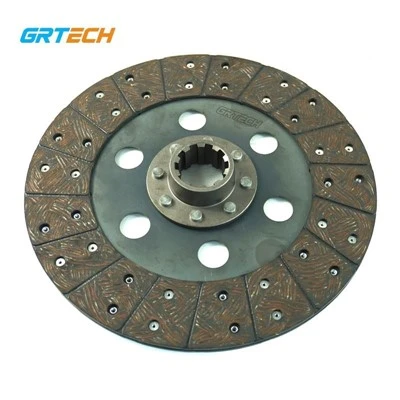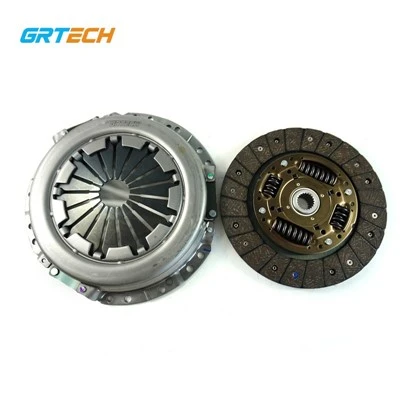
Physical and Chemical Properties of Organic Friction Plates
The physical and chemical properties of organic friction plates are briefly introduced, and some indicators are actually related:
(1) Density, which directly affects the moment of inertia, the ability to rotate and destroy, etc.
(2) Hardness, usually the harder it is, the better its bending strength and rotation damage, but at the same time, the higher the hardness, the worse its ability to resist vibration (judder), and the poor semi-linkage experience (hardness can get better?)
(3) Bending performance, that is, stress and strain, actually depends on the resistance of the friction plate to deformation.
(4) Burst strength, the ability to resist centrifugal force
(5) Acetone extraction method (Acetone extraction), that is, extraction with acetone solution, after filtering with filter paper, the quality is poor before and after comparison, usually described by percentage
(6) Ignition loss (ignition loss), which is a bit similar to the above index, is that the high temperature makes the friction plate burn into slag, and then compare the slag with the previous mass percentage, that is to say, it turns into ash, usually more than 50% . The temperature is often above 800 degrees.