Introduction to brake friction pad materials
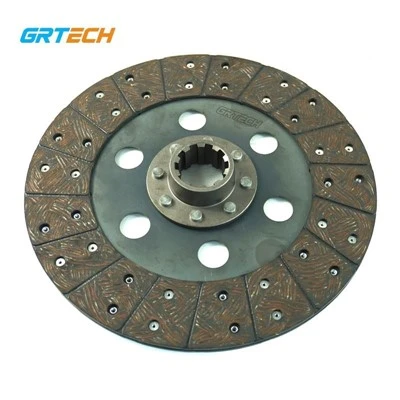
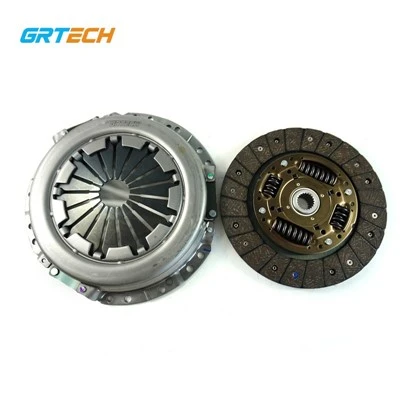
Any mechanical equipment and various moving vehicles must have braking or transmission devices. Friction material is a critical component of this braking or transmission device. Its main function is to absorb or transmit power through friction. Brake friction discs are used for hydraulic brakes of cranes, overhead cranes, etc., and hoist motor brakes. There are two types: asbestos friction discs and semi-metal friction discs.
Since the emergence of power machinery and motor vehicles in the world, friction plates have been used in their transmission and braking mechanisms. The initial friction pads used cotton, cotton cloth, leather, etc. as base materials. For example, cotton fibers or fabrics were impregnated with rubber slurry and then processed and formed into brake pads or brake belts. Its disadvantages: poor heat resistance. When the temperature of the friction surface exceeds 120°C, cotton and cotton cloth will gradually coke or even burn. This type of friction material can no longer meet the usage requirements. People began to seek new types of friction materials with good heat resistance, and asbestos friction materials were born.
Asbestos is a natural mineral fiber. It has high heat resistance and mechanical strength. It also has a long fiber length, good heat dissipation, good softness and impregnation, and can be processed into textiles. Asbestos cloth or tape impregnated with adhesive. Asbestos short fibers and its cloth and tape fabrics can be used as the base material of friction materials. Moreover, because of its lower price (cost-effectiveness), it quickly replaced cotton and cotton cloth and became the main base material in friction materials.
In 1905, asbestos brake belts began to be used, and the friction properties, service life, heat resistance and mechanical strength of their products were greatly improved. Starting in 1918, people mixed asbestos short fibers with asphalt to make molded brake pads.
Phenolic resin began to be used industrially in the early 1920s. Because its heat resistance was significantly higher than that of rubber, it quickly replaced rubber and became the main binder material in friction materials. Since phenolic resin is less expensive than various other heat-resistant synthetic resins, asbestos-phenolic friction materials have been widely used in countries around the world ever since.