Brake shoe friction plate maintenance
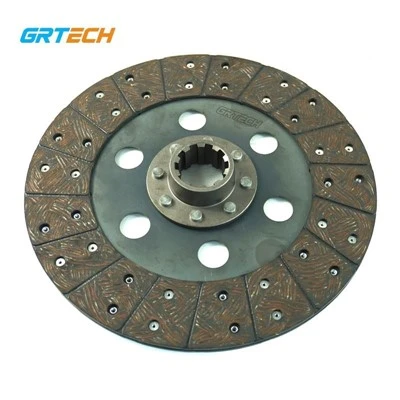
The main damage forms of the friction plate are: surface ablation or hardening, oil stains, damage, excessive wear and loose rivets.
① Oil on the surface of the friction plate will cause the friction coefficient to drop, thereby reducing the braking force. The oil on the surface of the friction plate is grease, and the grease leaks due to damage to the inner hub bearing oil seal or camshaft seal ring. When repairing, first eliminate the grease leakage fault. If the surface is slightly oily, scrub it with gasoline and dry it with compressed air. If it is serious, you need to replace the friction plate or the entire shoe.
② The ablation or hardening of the surface of the friction lining is caused by the heat generated by the brake shoe friction lining and the brake drum exceeding the bearing capacity of the friction material. Slight ablation or hardening is mostly caused by the protrusion on the surface of the brake drum or friction lining. Severe ablation or hardening is mostly caused by brake dragging. Ablation or hardening of the surface reduces the coefficient of friction and thus reduces braking force. Slight ablation or hardening can be used after grinding with sand, and severe ablation or hardening needs to replace the friction lining or the entire brake shoe.
③ Excessive wear of the friction lining Brakes rely on frictional force to achieve braking, and friction lining wear is inevitable. However, severe wear of the friction lining not only reduces its strength, but also easily exposes the rivets and damages the brake drum.
④ Damage to the friction plate is mostly caused by loose rivets, aggravated cracks, too thin friction plate or excessive impact. Damage to the friction plate will reduce the effective friction area of the friction plate, resulting in a serious drop in braking force. When repairing, the friction lining or the entire shoe needs to be replaced.
The wear degree of the friction plate can be judged by measuring the distance between the rivet head and the surface of the friction plate. The detection method is shown in Figure 6-3. If it is too small, the friction plate or the entire shoe needs to be replaced. When replacing the friction plate, it can be connected by riveting or bolting.
Note: If any one of the friction plates of the left and right brakes needs to be replaced, all the friction plates of the left and right brakes should be replaced.
⑤ Individual rivets are loose. Due to the low quality of riveting, the brake shoes are subjected to large impacts for a long time. Loose rivets will cause the friction plate and brake shoe to not fit tightly, resulting in poor heat dissipation of the friction plate, and may also break out and wear out the brake drum. Should be fastened or re-riveted.