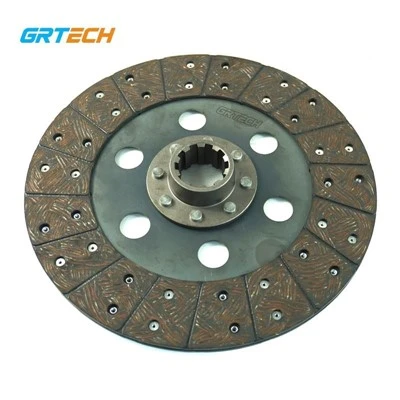
Brake Pad Quality Standard
1. Coefficient of friction and specified coefficient of friction. The coefficient of friction is the ratio of the friction force to the normal force applied to the test piece. The specified friction coefficient is the value of the friction coefficient confirmed and agreed upon by both the supplier and the purchaser. Temperature is the most important factor affecting the coefficient of friction. During the friction process of brake pads, due to the rapid increase in temperature, the friction coefficient begins to decrease. When the temperature reaches the decomposition temperature range of resin and rubber, the friction coefficient suddenly decreases. This phenomenon is called "thermal fade", and severe "thermal fade" can cause the brakes to fail. Therefore, the manufacturer must specify the coefficient of friction, and when testing in the corresponding temperature range, it cannot exceed the specified range.
2. Wear rate. Wear rate is the ratio of volume wear to friction work under specified conditions, and is an important technical index to measure the durability of brake pads. The better the wear resistance, the longer the service life.
3. Mechanical strength and physical properties. In the process of friction work, in addition to high temperature, the brake pads also bear relatively large pressure and shear force. Therefore, it is required that the brake pads must have certain impact strength, compressive strength, and shear strength, and no thermal expansion and thermal cracking will occur at high temperatures.
4. Check the pair surface wear. During the friction process, the surface of the counter piece, that is, the friction disc, should not be ground into heavy abrasions, scratches, grooves and other excessive wear conditions.
Tips for choosing brake pads
1. First of all, it depends on whether the product packaging is in good condition. For brake pads produced by regular manufacturers, the packaging and printing are relatively clear, with industrial product production license numbers, specified friction coefficients, and implementation standards printed on them. There are qualification certificates, production batch numbers or dates in the packaging boxes. and other information.
2. You can choose matching brake pads according to your own needs, and try to buy matching products from the store directly sold by the manufacturer.
3. Do not buy brake pads with defects such as oil stains, cracks, blisters, and grooves on the surface of the product.