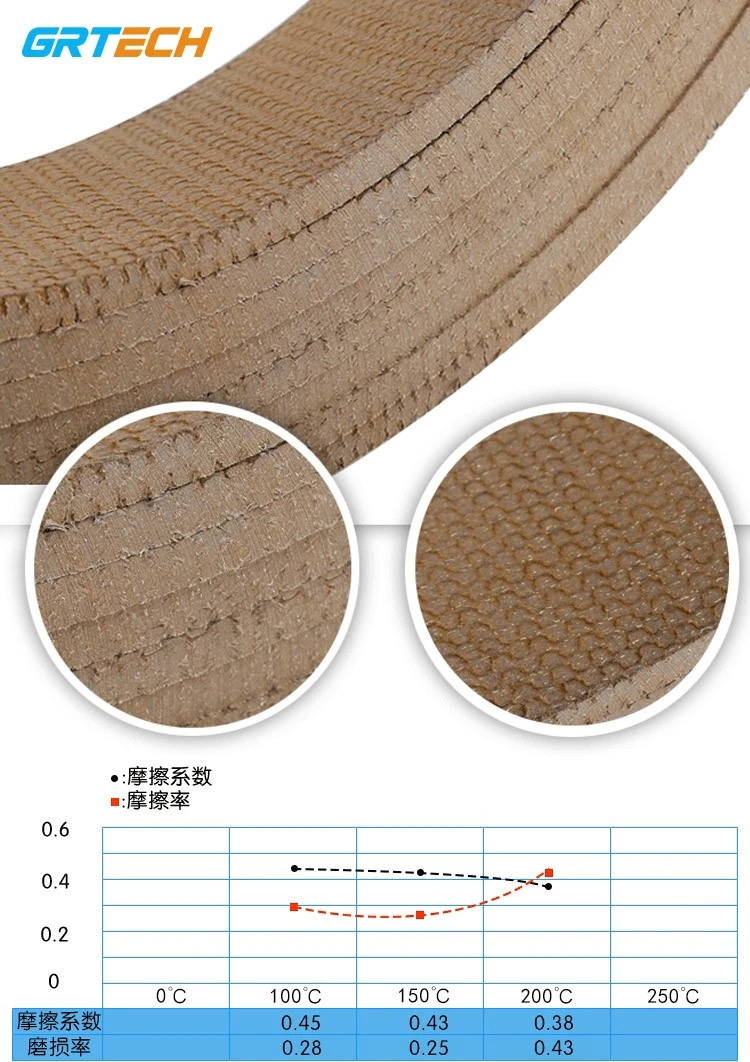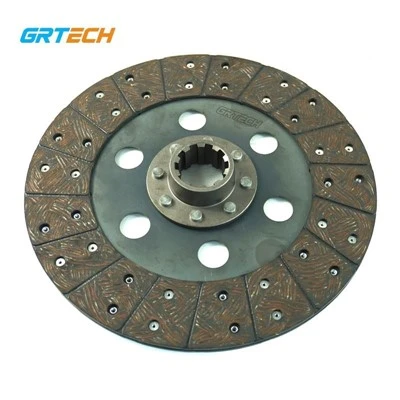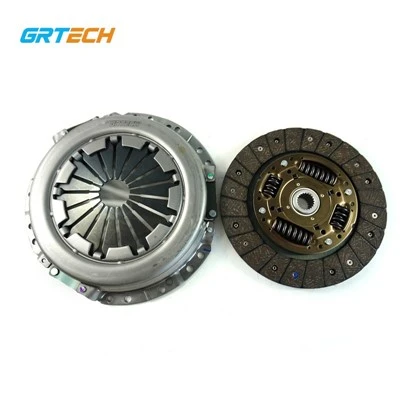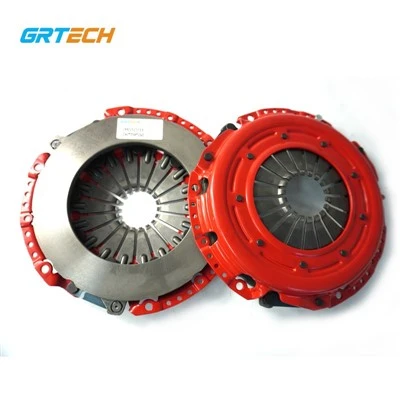
Brake lining rolls material
I. Asbestos-Free Woven Brake Lining (Copper Wire Woven Type, Widely Used for Agricultural Machinery, Winches and Truck Drum Brakes)
1. Core Yarn (Woven Substrate)
Core-spun plied yarn structure: inner core + outer wrapped fiber
Core materials: Brass wire / red copper wire (8%~13%), high-silica glass fiber (for tensile strength, heat conduction, reinforcement and wear resistance)
Wrapper fibers: Viscose fiber (rayon, 40%~45%), aramid fiber (2%~5%), acrylic fiber / cotton fiber; basalt fiber is added in a small number of formulations
Domestic Standard Formulation Reference: Viscose 43%, glass fiber 19%, copper wire 11%, aramid 3%, remaining proportion filled with mineral powders
2. Main Impregnating Material (Resin)
Modified liquid phenolic resin (accounts for 20%~26% after curing) blended with a small amount of nitrile rubber modifier; finished via high-temperature drying and curing
3. Friction Fillers (Blended during resin impregnation)
Graphite (lubrication), barium sulfate (weight increment & stable friction coefficient), barite, alumina, talcum powder; free of thick steel fiber
Performance Parameters: Heat resistance: 280~320℃; high tensile strength, flexible for bending and drilling. Suitable for trucks, agricultural vehicles, winches and marine anchor windlasses.
II. Asbestos-Free Resin Brake Lining (Fully Resin-Saturated Woven Lining for Heavy-Duty Machinery Only)
Produced by deep resin impregnation on raw woven blanks with higher resin loading and higher hardness.
Fiber substrate: Same woven yarn as Type I (viscose + glass fiber + copper wire + aramid fiber)
Binder system: Thermosetting phenolic resin as base, partially modified with nitrile latex (resin content: 25%~32%)
Functional fillers: Graphite, molybdenum disulfide, barium sulfate, calcium carbonate, mineral powder and trace coke powder
Features: High hardness, superior wear resistance over regular woven lining, heat resistant above 300℃. Applied for mining machinery and heavy trailer braking systems.
III. Asbestos-Free Fleece Rubber Brake Lining (Soft Rubber Lining for Vans, Light-Duty Trucks & Small Winches)
Non-woven construction; manufactured by internal mixing and compression molding of chopped staple fibers and rubber (fleece refers to flocculent chopped short fibers).
Raw Material Composition
Staple fleece fiber (35%~45%): Chopped viscose fleece, short-cut aramid, cotton linters, chopped glass fiber, PAN staple fiber (no continuous filament weaving)
Rubber binder matrix (30%~38%): Nitrile Butadiene Rubber (NBR) + minor natural rubber plus vulcanizing package (sulfur, accelerator DM, zinc oxide, stearic acid)
Friction fillers (20%~28%): Graphite, barium sulfate, ground calcium carbonate, talc and friction dust
Key Identification Differences
Fleece lining: Randomly blended chopped fibers via rubber mixing, no woven texture, soft texture
Woven lining: Fabricated from continuous filament weaving with distinct woven grain; yarn layers can be peeled apart
Quick Comparison Chart of Three Brake Lining Grades
| Grade | Structure | Base Matrix | Application Scope |
|---|---|---|---|
| Woven Lining | Woven continuous yarn + light resin impregnation | Phenolic resin, tough-hard | Agricultural vehicles, trailers, winches |
| High Resin Woven Lining | Raw woven blank + full resin saturation & curing | High-content phenolic resin, rigid solid | Mining equipment, heavy construction machinery |
| Fleece Rubber Lining | Chopped fleece + rubber compound compression molding | NBR rubber matrix, soft texture | Mini trucks, rear drum brakes of vans |