

Brake commonly used several friction materials
At present, the friction materials used for automotive braking at home and abroad mainly include asbestos resin (national regulations have restricted the use of) type friction materials, asbestos-free resin type friction materials, metal fiber reinforced friction materials, semi-metal fiber reinforced friction materials and hybrid fiber reinforced friction materials, and the application of semi-metal fiber reinforced friction materials is the most common in China.
The basic composition of these friction materials is reinforced fiber friction materials production process is generally: raw material storage → weighing → mixing → preforming (room temperature mold)→ high temperature die → sample modification treatment → inspection → packaging factory, asbestos, steel fiber and Kevlar (aramidst fiber) brake sheet typical formula:
a. The formula of asbestos brake pads is generally: 50% asbestos, 15% resin, 20% wear-resistant particles, 15% filler.
b. The formula of steel fiber brake plate is generally: 30% steel fiber,15% resin,10% zinc oxide,10% metal powder,15% ceramic,10% rubber pellet,10% graphite.
c. Aramid fiber brake sheet formula is generally: 5% aramid fiber, 15% metal powder, 15% wear-resistant particles, 15% resin, 50% filler.
2, the role of each component in the friction material
(1) Reinforced fiber: fiber acts as an enhancer in friction materials and plays an important role in the strength, friction and wear properties of brake pads. The selection of reinforced fibers in friction materials is usually considered in combination with the specific conditions of use and economy of the vehicle.
(2) Binder: Whether the components such as resin and fiber materials and fillers can bond well depends on the infiltration performance of the resin on these materials and the possibility of forming chemical bonds with them.
At present, the most commonly used binders for friction materials are various phenolic resins and their modified resins, the properties of common phenolic resins are shown in Table 3, and its role is to bond the reinforced fiber with other components. The binder is the matrix of the friction material, which directly affects the various properties of the material, so the binder should meet the following performance requirements.
Brake commonly used several friction materials
Popular Products

GRTECH 231010910 High Quality Clutch Cover for John Deere
231010910 12inches Tractor Clutch Cover Clutch Pressure Plate for John-Deere

GRTECH M104100-2 Excellent Clutch Kit For Mack
M104100-2 Clutch Parts Truck Clutch Kit for America Series Heavy Duty Truck

GRTECH 107683-4CB Good Performance Clutch Kit For MACK
Heavy Duty 14 Clutch assembly for 1-3/4 input shaft. 8 springs and 4 paddles for up to 680 Lb/Ft torque.

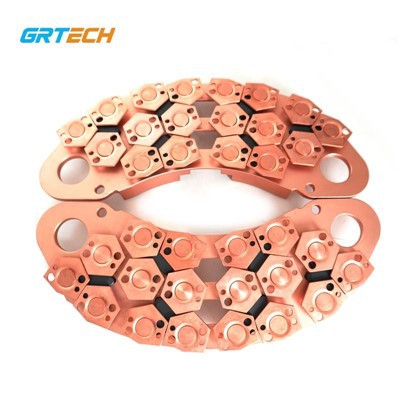
GRTECH Professional Copper-Based Brake Pads For Wind Turbines
Grtech supplies professional copper-based brake pads for wind turbines. Built with a high-performance copper matrix,
GRTECH Good Performance Factory Supply Brake Pads For Train
Grtech Train Brake Pads are engineered with proprietary friction material technology and precision manufacturing
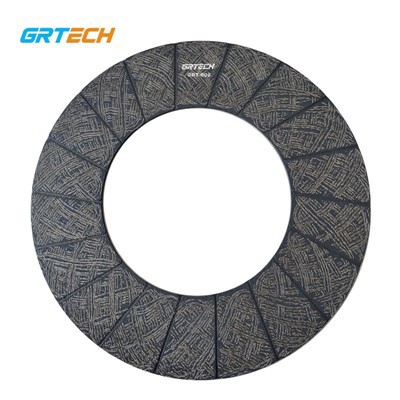
GRTECH GRT-608 Factory Supply Clutch Facing For All Models
Grtech GRT-608 clutch facing is specially designed for high‑horsepower commercial vehicle clutches. It integrates