Automobile clutch introduction
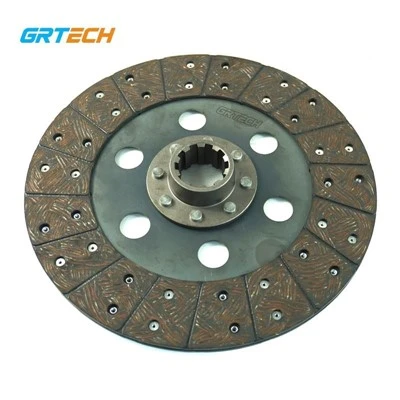
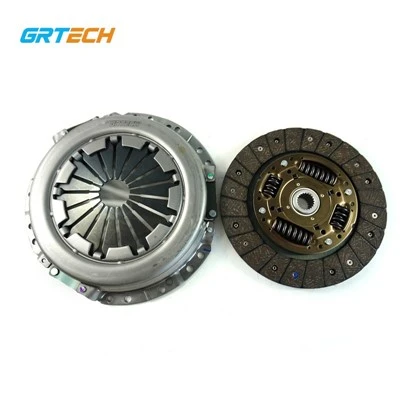
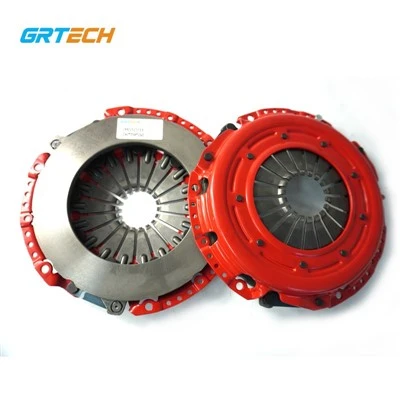
The automobile clutch is located in the flywheel housing between the engine and the transmission, and the clutch assembly is fixed to the rear plane of the flywheel by screws, and the output shaft of the clutch is the input shaft of the transmission. During the driving of the vehicle, the driver can step on or release the clutch pedal as needed to temporarily separate and gradually engage the engine and the transmission to cut off or transmit the power input by the engine to the transmission.
Mechanical parts that can engage or disengage the drive shaft and the driven shaft at any time as needed for the job. It can be used to control the starting, stopping, shifting and reversing of the machine drive system. There are many types of clutches, which can be divided into: 1 steering clutch according to the nature of work. The control methods are mechanical, electromagnetic, pneumatic and hydraulic, such as embedded clutch (transmitting torque through the fitting of teeth, teeth or keys), friction clutch (transmitting torque by friction), air flexible clutch (using A compression air cylinder expands and contracts to operate a clutch in which the friction member is engaged or disengaged, an electromagnetic slip clutch (a magnetic force is used to generate a torque to transmit torque), and a magnetic powder clutch (the magnetic powder is magnetized by an exciting coil to form a magnetic powder chain to transmit torque). 2 automatic clutch. Automatically complete the joint or separate action by simple mechanical method, and is divided into safety clutch (the drive shaft can be automatically separated when the transmission torque reaches a certain value, thus preventing overload, avoiding damage to important parts in the machine), centrifugal clutch (when the drive shaft When the speed reaches a certain value, due to the centrifugal force, the drive shaft can be self-coupled or can be separated after a certain speed. The directional clutch (also called the overrunning clutch, using the ratchet-pawl engagement or the roller or wedge) The wedge action transmits motion or torque in one direction, and the clutch is automatically disengaged when the drive shaft is reversed or the speed is lower than the driven shaft.