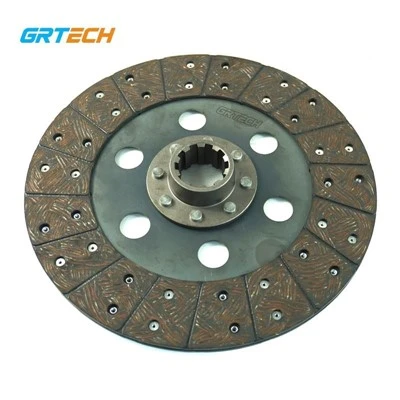
Asbestos-free organic brake material brake pads (NAO)
Asbestos-free organic brake materials mainly use glass fiber, aromatic polycool fiber or other fibers (carbon, ceramics, etc.) as reinforcement materials, and their performance mainly depends on the type of fiber and other additives. Asbestos-free organic brake materials are mainly developed as a substitute for asbestos, and are used in heavy-duty drum brakes. With the breakthrough of technology, they are also beginning to be tried as a substitute for front disc brake pads.
NAO type brake pads are closer to asbestos brake pads than semi-metallic brake pads in performance. It does not have good thermal conductivity and good high-temperature controllability like semi-metallic brake pads. Compared with the previous two, NAO friction materials contain about seventeen different stick materials. The material of NAO brake pads has undergone several changes, and the current NAO material has effectively surpassed the performance of asbestos brake pads in many aspects, mainly friction performance, fatigue resistance, temperature adaptability, wear resistance and noise. wait. The better the friction material, the better the friction performance of the friction block at different temperatures and pressures. In other words, its performance should not change much at low or high temperatures. The better the friction material, the less likely there will be brake shrinkage after repeated braking, which keeps the "brake pedal feel" good. Better materials also reduce wear and reduce noise.
maintenance method
Brake pads play a direct role in the braking safety of cars, but because of their relatively long replacement cycle and relatively hidden location, they are generally not valued by everyone. In fact, brake pads are consumables, and they will be worn out after long-term use, thereby reducing braking performance and causing potential hidden dangers in driving.