Analysis of various friction materials
Friction materials are widely used in various transportation vehicles (such as cars, trains, aircraft, ships, etc.) and in the brakes, clutches, and friction transmission components of various machinery and equipment. In the braking components, by utilizing the friction properties of friction materials, the kinetic energy of rotation is converted into heat energy and other forms of energy, thereby enabling the braking of the transmission components.
Modern automotive friction materials are a type of composite material that primarily functions through friction and also meets structural performance requirements. During operation, they mainly bear repeatedly changing mechanical stress fields and thermal stress fields, and the sources of force and heat are the friction interfaces that continuously form new working surfaces.
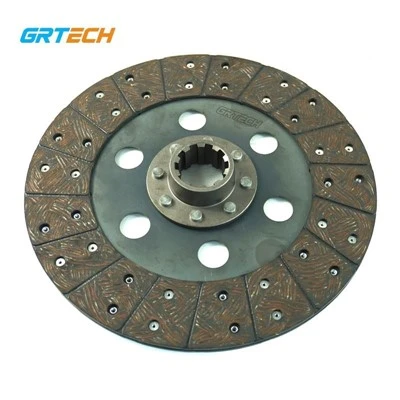
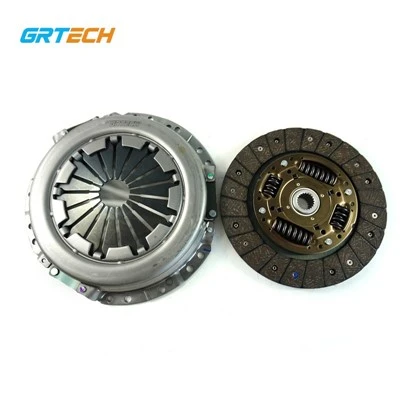
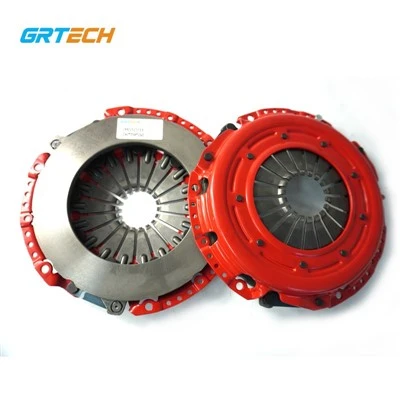
The friction materials used in automobiles mainly include brake friction pads and clutch plates. These friction materials are both safety components and wear-prone parts.
The traditional manufacturing of wet-type friction materials is achieved by blending the ingredients of paper pulp friction materials. These paper-based friction materials produced using traditional manufacturing methods exhibit some obvious drawbacks when used under high-load conditions:
(1) Compared with copper-based friction materials, paper-based materials have a better friction coefficient but exhibit poorer heat resistance.
(2) Paper-based materials have better oil compatibility than copper-based materials. However, this compatibility still falls short in practical applications.
(3) The thermal conductivity of paper-based materials is relatively poor. Under high load conditions, local hot spots are more likely to form on the surface.
To address the above issues, the solution is to use carbon fiber pads as the friction material. However, in reality, carbon fibers are not widely used as friction materials. The main reason for this is that the cost of the friction material becomes too high when using carbon fibers.